Getting the Heat Right for Glass R&D
Standard heating lamps are kind of a “take it or leave it” deal. You get a set wattage across a set length, and that’s that. But if you’re in the middle of R&D—messing with new glass compositions or testing out specialized coatings—that’s just not enough. You can’t just guess where the heat is going. You need to know exactly where it hits the glass. That’s why we stop worrying about basic dimensions and start talking aboutpower density.
The Headache of Uneven Heat
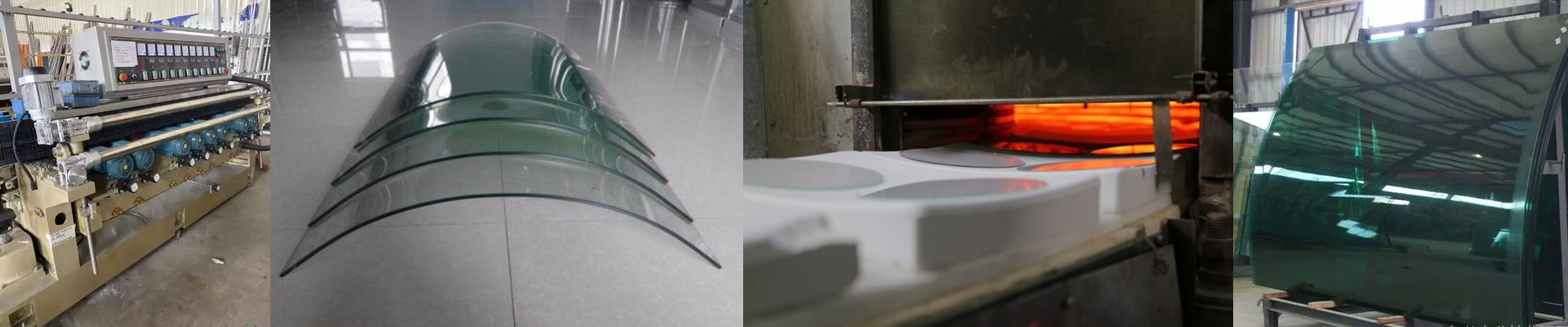
Here’s the thing: most off-the-shelf heaters have a “cold end” and a “hot center.” If you’re running a production line, those temperature swings create thermal gradients. In plain English? Your glass cracks or tempers unevenly. It’s frustrating. We fix this by getting creative with the filament winding and how the wattage is spread out. By tweaking the ohms per centimeter, we can flatten that heat curve or build specific “zones.” Instead of just a hot spot in the middle, you get a consistent temperature across the entire sheet.
Room to Experiment
When you’re in R&D, you need breathing room. You need to be able to change your mind. We build our lamps to handle different voltage inputs so you can play around with how fast things ramp up. Say you’re testing a material that needs to scream up to 600°C and then just… sit there and soak. Your power density has to be tuned for that specific thermal inertia, or it just won’t work. Plus, we let you shift where the heat peaks. Want to blast the edges to keep the glass from sagging? We can do that. Want it perfectly even for a uniform stress layer? Easy.
The Trade-offs
Now, there is a catch. Higher power density means faster cycles, which is great. But pushing more watts into a smaller space puts a lot of pressure on your lamp holders and wiring. If you go for a high-density array, you’ve got to make sure your cooling system can actually keep up with the radiated heat. If you don’t, you’re just going to fry your electrical terminals. Before you crank everything up to the max, do yourself a favor and check your ambient airflow. It’ll save you a lot of grief.