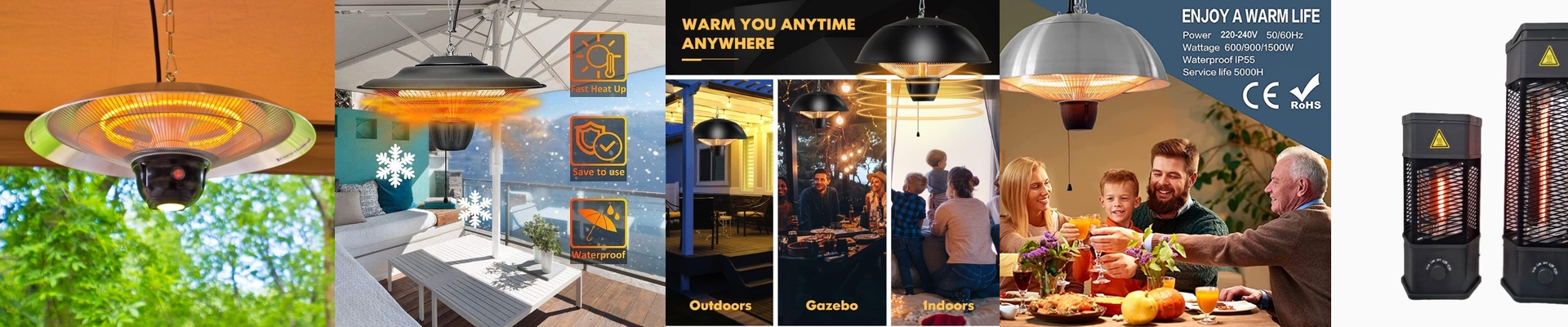
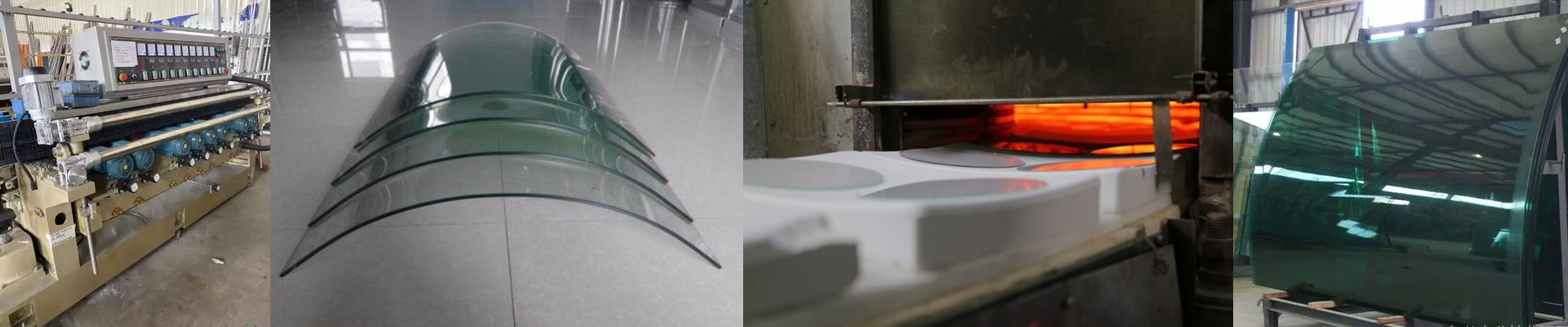


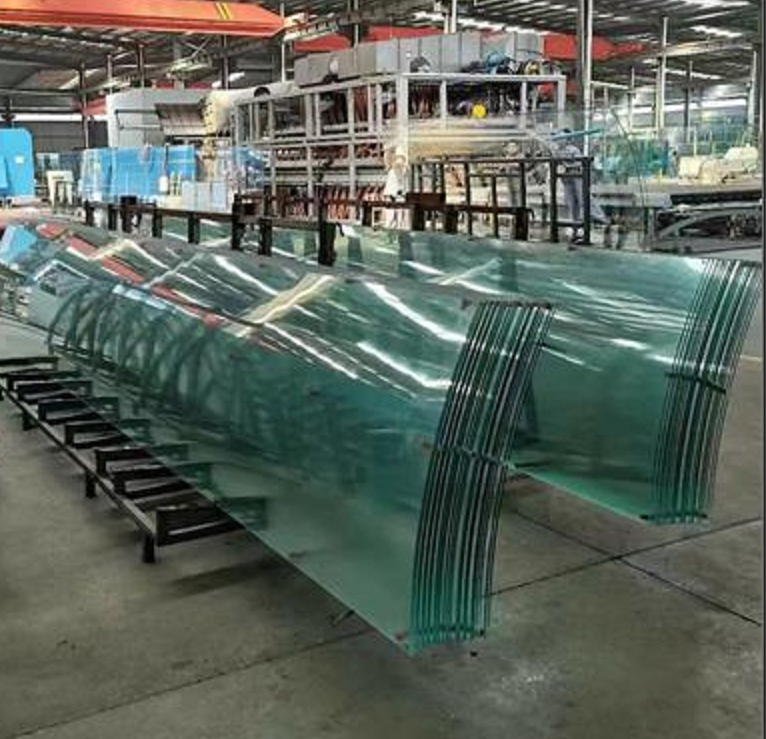
Trying to cut through ultra-thick glass is basically a fight. If you try to score those heavy slabs cold, you’re just beating up your equipment. The cutting wheels wear out way too fast, and the cracks go wherever they want, not where you told them to. We found a better way. Instead of fighting the glass, we use shortwave infrared (IR) lamps to soften the path right before the blade hits. Why the fancy lamps? Here’s the thing: glass is terrible at conducting heat. You can’t just crank up the thermostat in the room and expect it to help. We use shortwave IR because that specific wavelength actually punches through the surface and gets deep into the silica. By hitting just the cutting line, we create a bit of controlled expansion. It relaxes the internal tension of the glass. You aren’t melting anything—that would be a disaster—but you’re making the material just “give” a little more. It takes the heavy lifting off the cutting head. Your tools will actually last The biggest win here is that your gear stops dying. When the glass is softened, the wheel isn’t slamming into a cold, rigid wall. No more chipping or dulling every few cycles. You get a clean snap and way fewer annoying shards to clean up. A word of warning It’s not just “plug and play,” though. These lamps put out an incredible amount of heat. If you push the wattage too high or get the lamp too close, you’ll create hot spots. That’s a recipe for disaster—the glass can actually crack on its own before the blade even touches it. You have to be precise with the distance and how long the lamp dwells on the glass, depending on how thick your slab is. And one more thing: don’t skim on your cooling fans. All that radiant heat bounces off the glass, and if you aren’t venting it, you’ll fry your electronics in no time.