

Getting glass Stress Relief Right with Ultra-Long Infrared Heaters
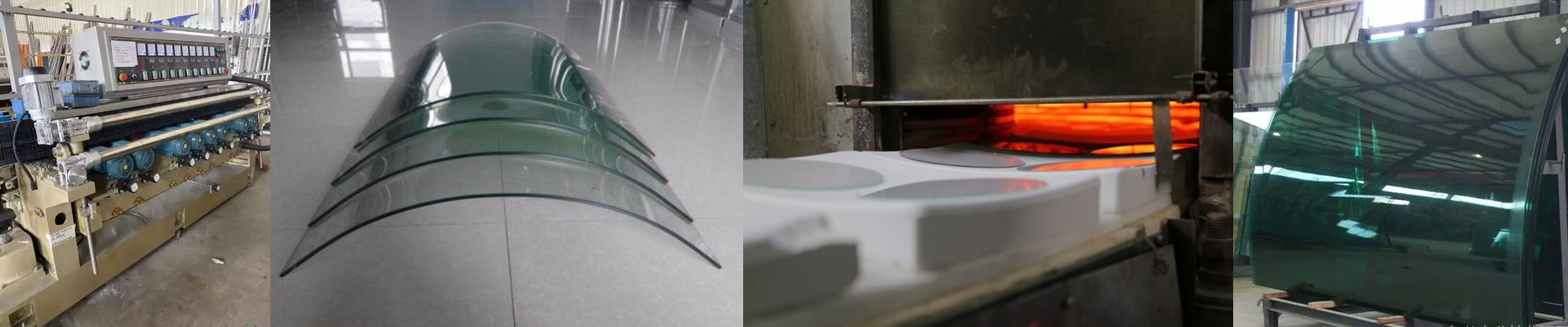
If you’ve ever worked with large-scale glass, you know the struggle. You need a perfectly steady thermal gradient across the whole surface, or you’re asking for trouble. The problem with most tunnel kilns is that standard infrared lamps leave these annoying cold spots right at the joints. It’s frustrating. So, we decided to fix it by building custom infrared heating units that stretch past 2 meters. The struggle with scaling up When you go big—we’re talking 2 meters and beyond—things get tricky. Voltage drops and uneven heat become your biggest enemies. You can’t just stretch a lamp and hope for the best. We handle this by obsessing over the wattage per centimeter. We tweak the filament winding and usually bump the voltage up to 400V for industrial grids. Why? Because we want the middle of that lamp to be just as hot as the ends. No weak spots. No surprises. Building for the long haul These aren’t your average tubes. We use high-grade quartz glass because, let’s be honest, that much heat over that much distance causes a lot of expansion. If you don’t account for that, the glass will bow or, worse, just snap. We use very specific support intervals to keep everything straight and steady. Then there’s the wiring. Standard R7s or Sk15 bases are fine for the small stuff, but for these monsters, you need reinforced terminals. They have to survive the physical tug-and-pull of installation and handle a serious current load without melting down. The real-world trade-off When you drop these into a glass annealing lehr, the difference is immediate. You get a “heat curtain” instead of those ugly stripes you see when using short, staggered lamps. It just feels smoother. But look, I’ll be honest with you—there’s a catch. A single 2-meter tube is way more fragile than a handful of 500mm lamps. If one pops, you’re replacing a bigger, pricier piece of kit. Plus, you’ve got to make sure your cooling fans are actually up to the task. If heat builds up too much at the tube ends, your seals will fail way sooner than they should. It’s a balance. But for the quality of the glass? It’s usually a trade worth making.