Dealing with Cold Spots in Complex Glassware
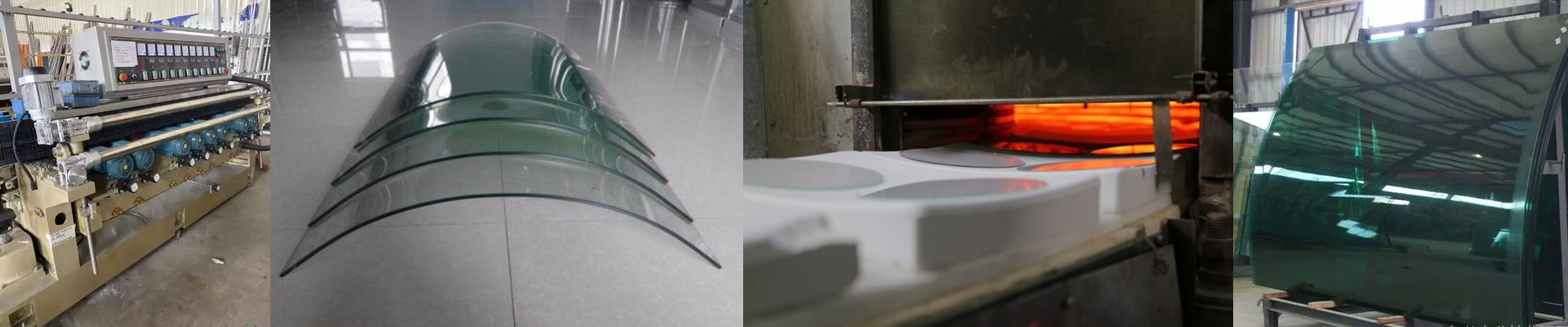
If you’ve ever run complex glass shapes through an annealing lehr, you know the nightmare of “cold spots.” It’s frustrating. You think everything is heating up fine, but standard convection just doesn’t cut it. Air is lazy—it doesn’t want to crawl deep into a narrow neck or hug the tight curves of a vessel. The result? Internal stress. Then, just when you think the piece is safe, it cracks. Spontaneously. Right in your hands.
Getting Heat Everywhere
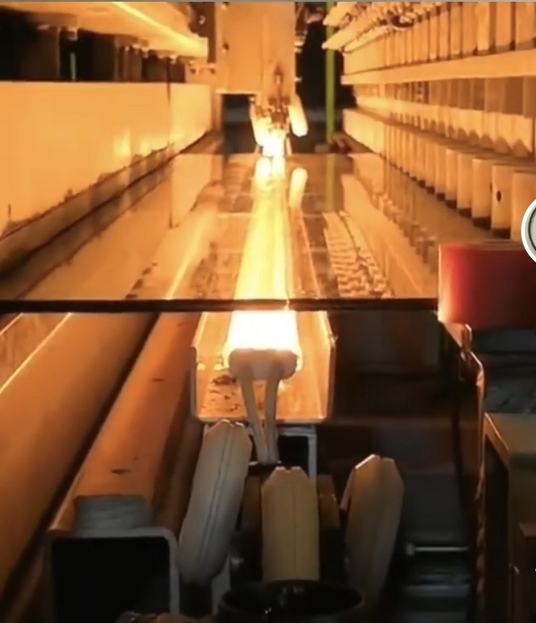
To fix this, we stop relying on air and start using shortwave infrared (IR) lamps. Think of it this way: while air drifts, IR radiation moves in straight lines and hits the glass surface directly. By setting these lamps up in a multi-angle array, you can bombard the container from the top, bottom, and sides all at once. It’s the only way to kill those “shadow areas” where traditional heaters just give up.
The Gear That Actually Works
When you’re trying to hit a precise soak temperature, power density is everything. I recommend quartz halogen tubes. They ramp up fast. Really fast. This lets you cycle the power quickly so you can keep your temperature window tight. You’ll want to watch your wattage-to-length ratio, though. You want the core of the glass to hit the annealing point without scorching the surface.
The Catch (And How to Handle It)
Here’s the thing: adding more lamps to kill those dead zones adds a lot of heat to the room. If your cooling system isn’t up to the task, you’re going to have problems. I’ve seen weak ventilation lead to melted lamp sockets or warped mounting brackets. It’s a mess. Make sure your fans can handle the ambient rise inside the housing. One last tip: wire your lamps into a PID controller. Put the thermocouple at the absolute coldest point of the glass geometry. Now, instead of guessing based on the air temperature, the system adjusts the IR output based on the actual part. It turns a stressful, unpredictable process into something you can actually set and forget.