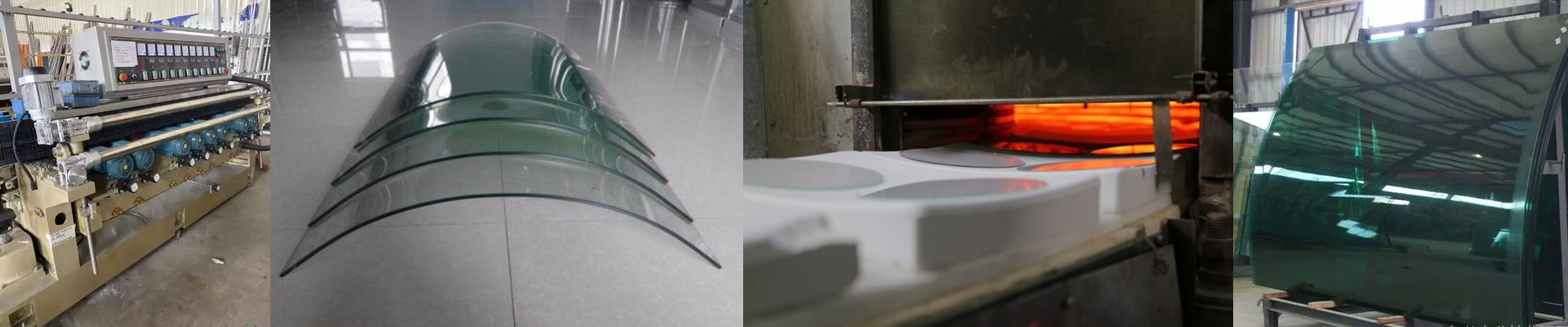
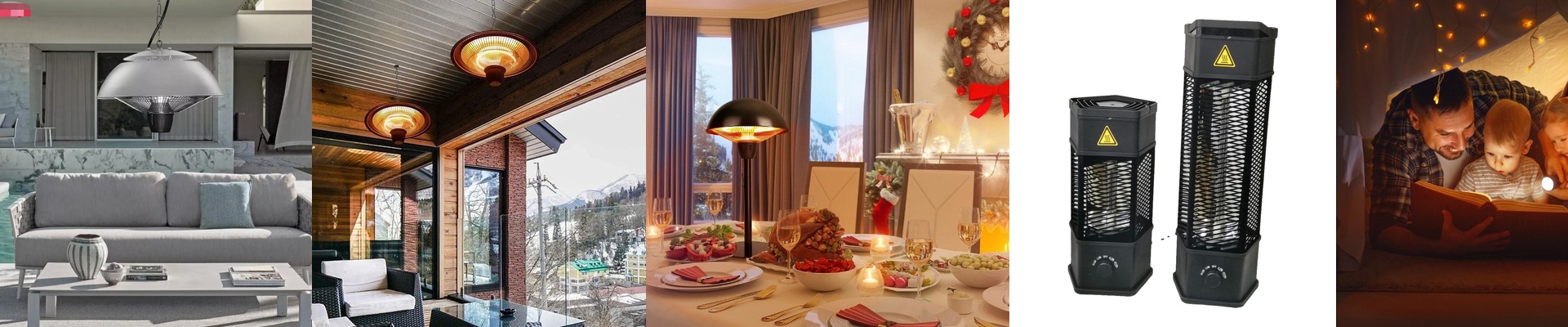
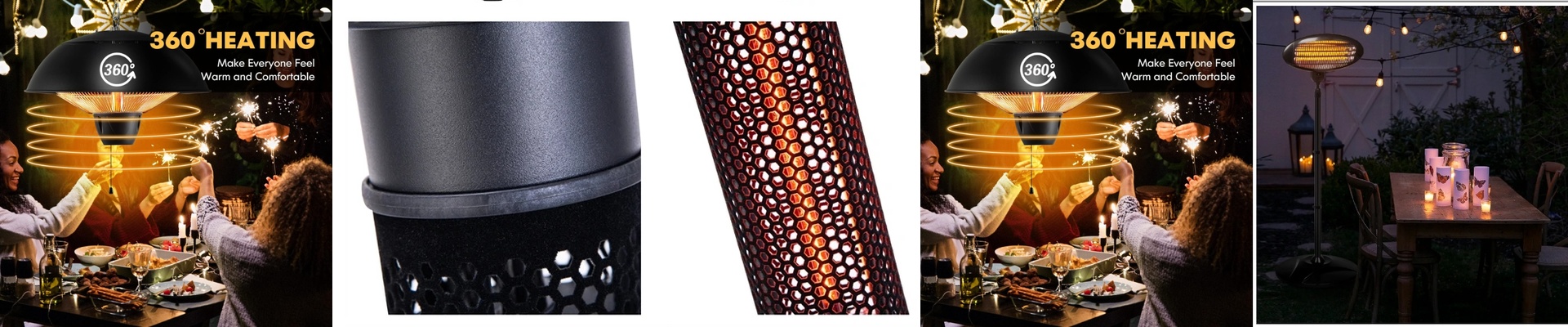
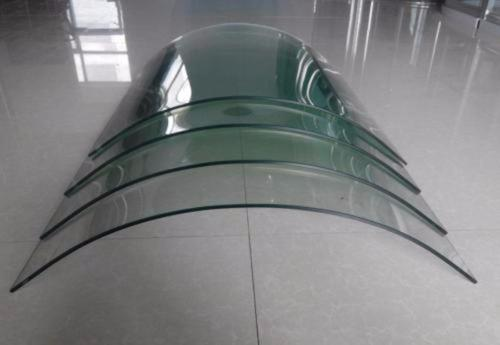
The Struggle with Long-Span Heating in Glass Tunnel Kilns
Most infrared lamps top out at about 1.5 meters. That’s fine for small jobs, but if you’re running a glass tunnel kiln that needs a steady heat blast over 2 meters or more, you hit a wall. You can’t just line up a bunch of short lamps and hope for the best. You’ll end up with “cold spots”—those annoying gaps in temperature that ruin a batch of glass. To fix this, we build oversized quartz heating units specifically for long, linear setups. Keeping the heat steady When you’re dealing with a tube over 2 meters, physics starts to work against you. If the tungsten filament isn’t tensioned just right, it sags. And once it sags, you’ve got a problem. We spend a lot of time calibrating the wattage per centimeter. Why? Because if one section of the tube runs hotter than the rest, your tempering becomes uneven. Your glass doesn’t care about the average temperature; it cares about the actual temperature at every single inch. The build quality We use high-purity fused quartz because it can take a thermal shock without cracking. For tunnel kilns, we usually set these up in a continuous array. We push the lamps end-to-end with almost no gaps. Instead of getting “pulses” of heat, you get a solid wall of infrared energy. We also customize the end-cap connectors. Standard ones often fry under the constant, heavy load of a glass line, so we use beefier parts that actually last. The “Gotchas” (What to watch out for) Here’s the thing: you can’t just plug these into a regular outlet. These long-form lamps pull a massive amount of current. If your wiring gauge is too thin, you’ll experience a voltage drop, meaning the far end of the tube won’t get nearly as hot as the start. You need a heavy-duty power supply and thick cables to keep things consistent. And then there’s the fragility. A 2-meter quartz tube is basically a giant glass stick. It’s a nightmare during installation. One wrong move, one bump against the kiln frame, and snap—there goes your investment. To stop that from happening, we suggest building dedicated support cradles. It takes the weight off the electrodes and keeps everything aligned. It’s a simple step, but it’s the difference between a lamp that lasts for years and one that breaks on day one.