Stop Wasting Energy on Your Glass Annealing
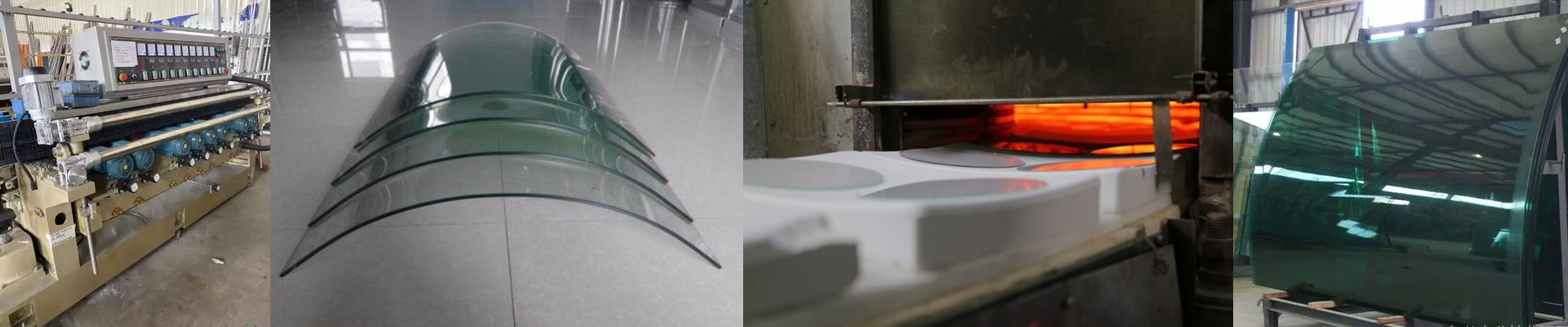
Let’s be honest: annealing is usually the biggest energy hog in the lab. Most setups rely on old-school resistive heating, which is basically like trying to heat a whole room just to warm up a single cup of coffee. You’re spending a fortune heating the air around the glass, and most of that energy just disappears into the walls. We do things differently with shortwave infrared (IR) lamps. Instead of heating the entire oven, these lamps go straight for the glass. How it actually works Inside these lamps, you’ve got a tungsten filament wrapped in a quartz envelope. It creates a high density of heat that doesn’t just sit on the surface—it penetrates the glass fast. This means you hit your annealing point much quicker. The ramp-up is steep, the cycle time drops, and you get your parts out the door faster. It’s a night-and-day difference in speed. One quick tip: since these lamps pack a punch, they put a lot of thermal stress on the oven chassis. Make sure your housing is well-insulated or vented. You don’t want your control electronics to fry because the oven got too hot. Fitting them into your rig We kept the design simple. We use standard connectors—whether you’re rocking R7s or specialized SK sockets—so they just slide right in. No gaps, no arcing, no headaches. We use quartz glass for the envelope because it’s practically invisible to IR radiation. It lets the heat fly right through instead of soaking it up. What this means for your wallet If you’re working with borosilicate or soda-lime glass, you’ll notice the “soak time” for stress relief drops significantly. You stop paying for heat that’s just leaking out of the oven. This is a huge win for high-volume labs running 24/7. If you’ve noticed your oven takes forever to recover between batches, your current elements are probably just tired—or they were never up to the task in the first place.