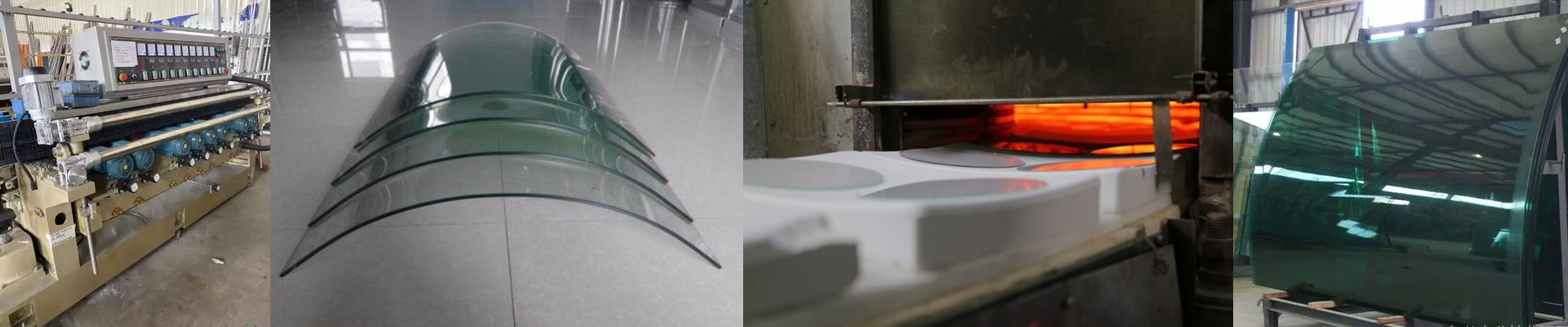
On the line, glass doesn’t wait. One cold spot in the oven, one uneven heat band, and you’re staring at warp, optical distortion, or a stress fracture that only shows up after tempering. And when you’re chasing temperature stability, downtime eats entire shifts. We build glass oven heaters that hold a uniform thermal field—even under the punishing load of a live factory floor. What matters, technically We engineer quartz infrared heaters for glass processing, with fast-response elements that hit setpoint quickly and hold it without oscillating. Output stays stable and repeatable, matched to the emissivity of both coated and uncoated glass. The electrical layout is designed for 3-phase supply, with standardized termination and insulation rated for continuous high-temperature operation. Dimensions and mounting centers are specced to drop straight into existing oven zones—swap the heater, no redesign. The payoff is predictable convection and radiant balance, so the pane heats evenly from edge to edge. Here’s why this lands in the real world. In tempering, bending, and coating drying, cycle time is money. These heaters cut warm-up and recovery, so you can tighten the soak window without losing glass temperature consistency. More panes per hour, fewer scrap sheets, and less energy burned per unit. Tighter temperature control also lowers thermal shock risk, which protects the glass and keeps the equipment from taking a beating. In lamination and insulating glass sealing, stable heat translates into better adhesion and cleaner edge quality. That means fewer reworks and fewer callbacks. Installation is straightforward, but you still can’t ignore oven airflow and reflector condition. Poor circulation or dirty reflectors will cap performance, even with a solid heater. Make sure your control strategy—PID tuning and thermocouple placement—matches the heater’s response, and double-check clearances to avoid hot spots. Keep voltage stable and power clean, and you’ll stretch element life. Treat replacements as scheduled maintenance, not midnight emergencies.