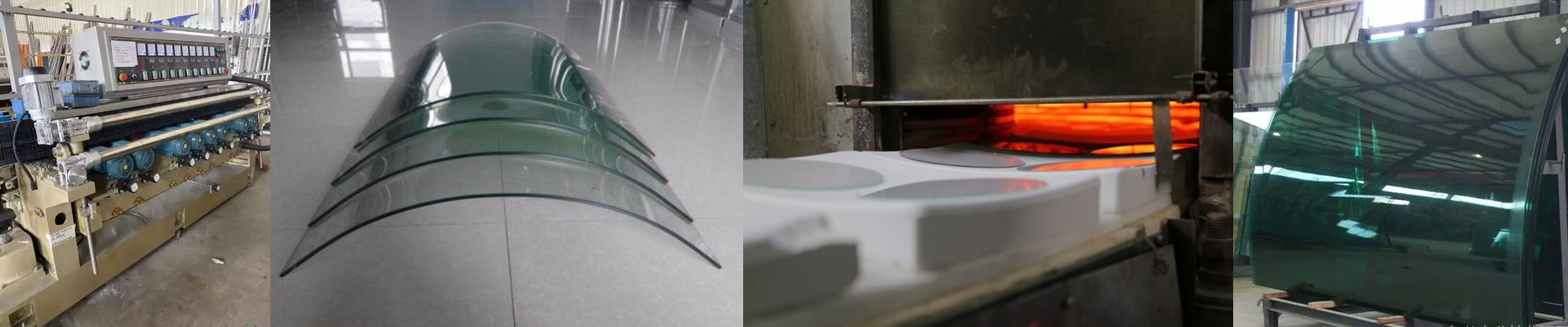
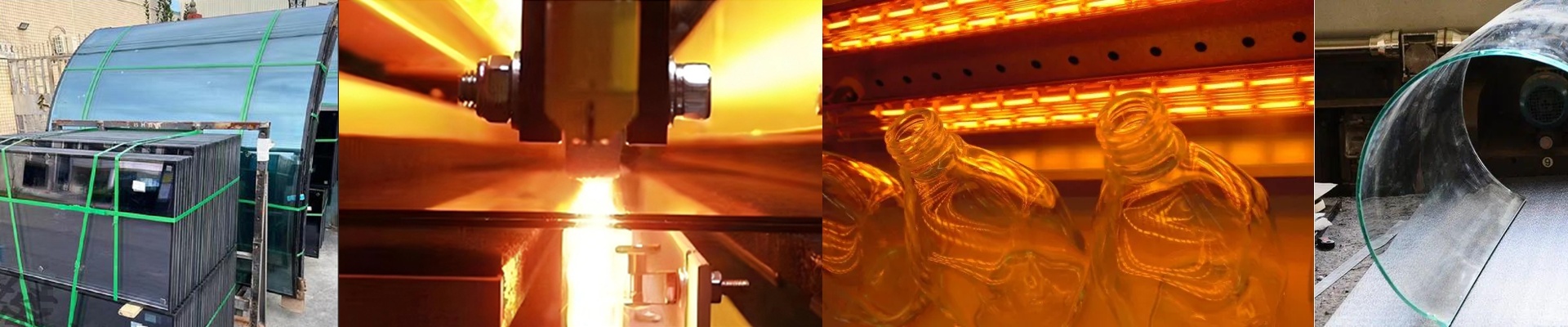
On the line, heat isn’t just a number on a gauge—it’s control. If the thermal profile drifts during tempering, you get optical distortion and a pile of rejects. A cold spot during bending? Shape goes sideways. Inconsistent heat across the seal in insulating glass? You’re inviting moisture ingress and edge failure. When heating misses, the whole line slows, rework stacks up, and stress relief turns into guesswork.
What matters under the hood
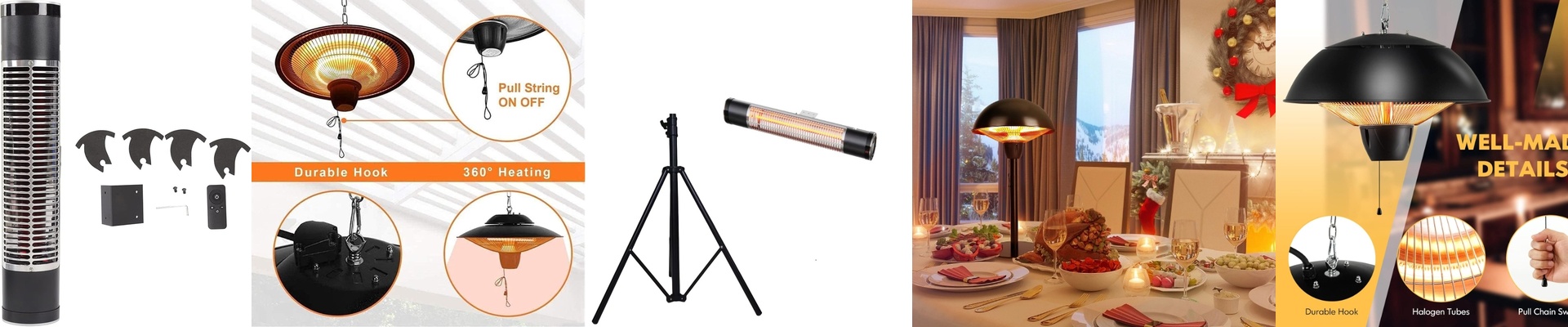
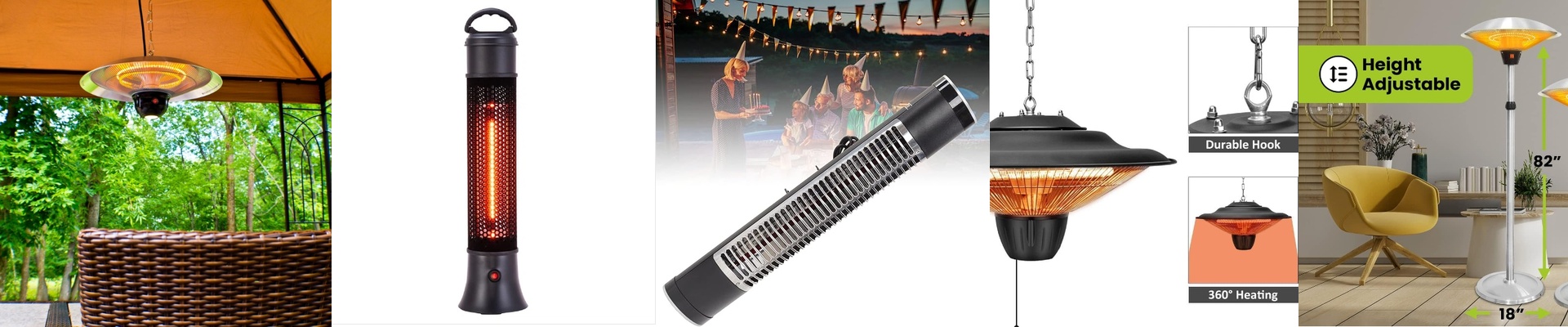
Our 2026 best-selling glass heaters lean on medium-wave infrared emitters in a quartz envelope. They come up fast and hit high power density without leaning too hard on convection. That gives you a tight, repeatable thermal profile across the glass—exactly what you need for uniform heating in annealing, tempering, and thermal bending. Control is closed-loop, tuned with emissivity in mind, and keeps heat even so thermal stress stays within tolerance. You’ve got 240V and 480V options, and the modular layout is built for drop-in replacement in OEM heating zones.
Where it pays off on the floor
In tempering lines, the heater hits setpoint quickly. Cycle time drops, and quench uniformity settles—fewer edge waves, fewer breakouts. In bending stations, the ramp is fast and controlled, so shape holds across multiple bends. Spring-back scrap drops because the glass behaves the way it should. For insulating glass sealing, the heat stays consistent on the primary seal. Edge seal integrity improves, and the unit holds up over the long haul. Energy use falls because the system heats on demand, not by over-running the zone.
The practical details that keep it running
Installation is straightforward, but alignment to the glass path is non-negotiable. Misalignment throws edge shadows, and those show up later as stress concentrations after tempering. The emitters are rated for high-duty cycles, but they still need a clean, dry environment to keep output stable. Make sure you have the right thermal clearances, and verify controller compatibility before you swap modules. When those basics are covered, the heater runs the way it’s supposed to: predictable, repeatable, and ready for production.