


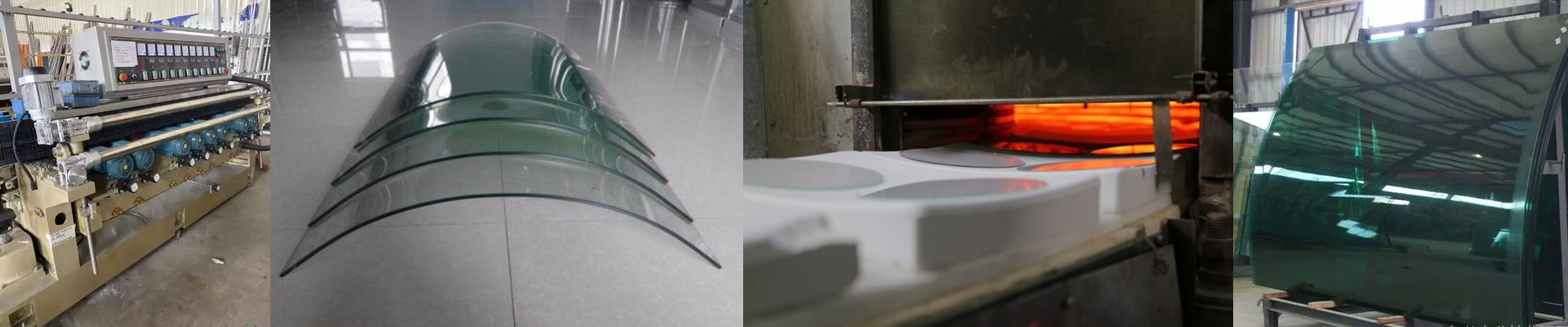
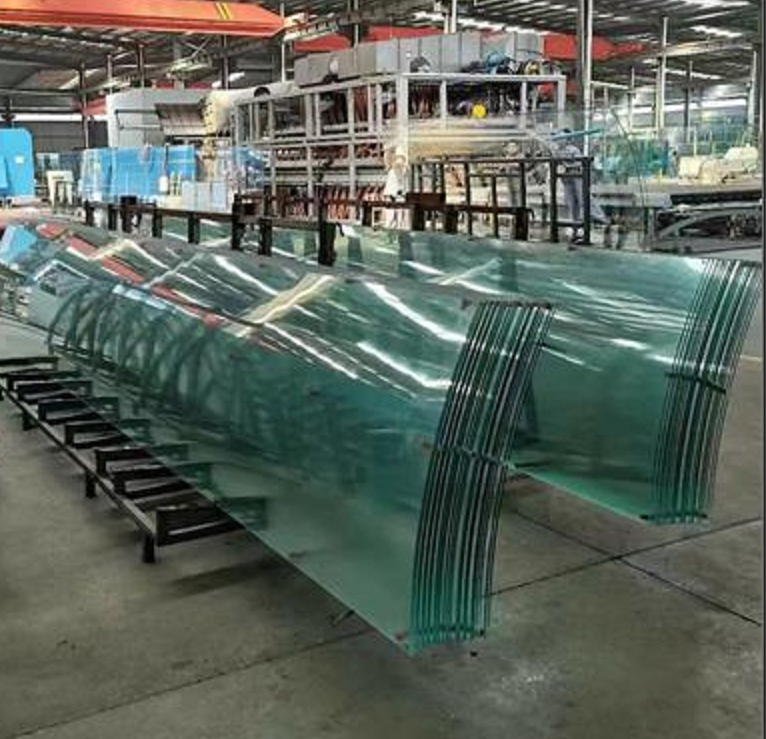
On the glass line, that hot melt bead needs to hit temperature and hold there—no overshoot, no cold spots. When the heat profile drifts, you start seeing inconsistent adhesion in lamination, weak beads in IG assembly, and scrap from thermal stress fractures. That’s why the heater isn’t an accessory. It’s a process control point.
What matters, technically
We build hot melt sealant heaters around controlled infrared elements—short wave or medium wave—matched to how the sealant absorbs heat and to the joint geometry. Power is sized for the duty cycle, not the peak wish list, so the unit recovers quickly after opening without pushing the bead past its working window. The hot face is engineered for uniform flux density, so the whole bead melts evenly and the glass edge sees predictable heat, not hot spots. Thermocouples and closed-loop control keep setpoint stable, and the housing is laid out for industrial mounting, with terminals and clearances that fit actual machine footprints.
Why it works in practice
In glass processing, the payoff shows up in uptime and scrap rate. Uniform heating cuts rejects from uneven flow and weak bonds, and the fast response supports higher line speeds without sacrificing bead integrity. Energy use drops because the heater targets the required temperature directly, with less wasted convection heat and fewer long warm-ups. The result is fewer jams, fewer reworked assemblies, and a repeatable process window you can audit shift after shift.
The details that bite you
These heaters are sensitive to mounting and contact. Misalignment or poor thermal coupling leads to uneven melting and can drive localized overheating. Expect a short ramp-up after a cold start, and keep the hot face clean—sealant residue changes emissivity and shifts the profile. Before ordering, confirm voltage and connector compatibility with your machine. Many retrofits are straightforward, but the details still matter.