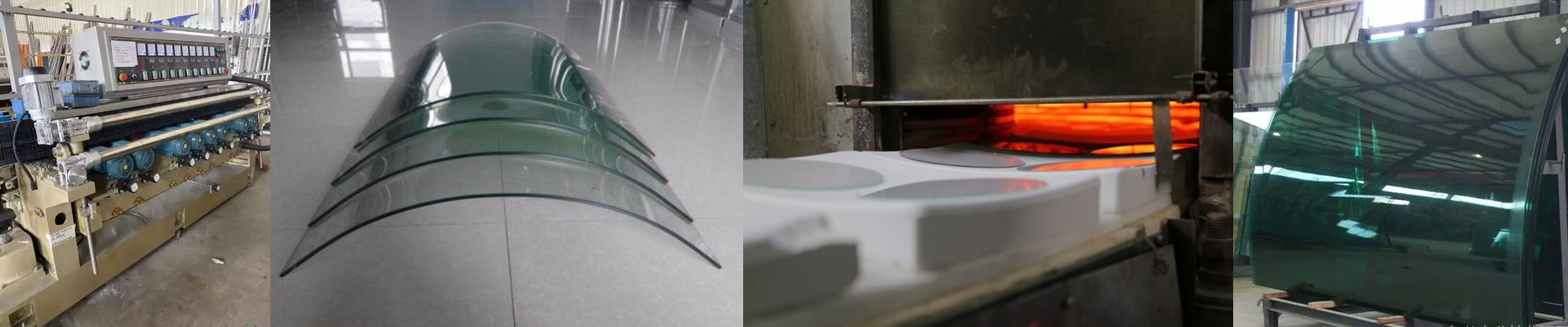


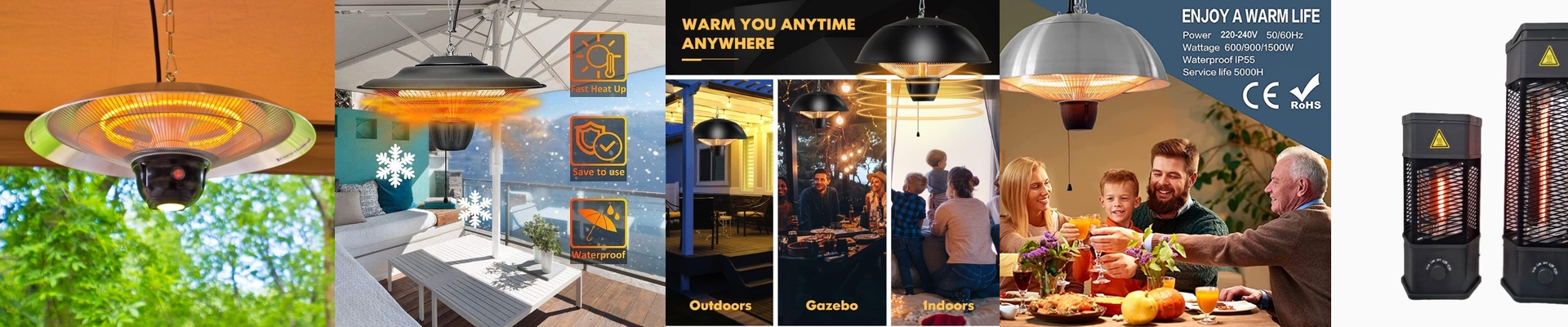
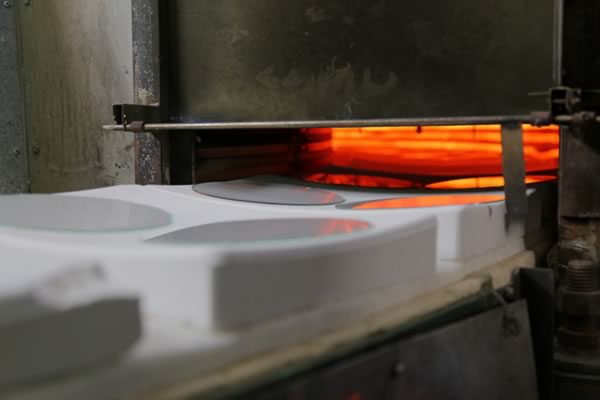
On the glass line, heat is the lever you pull every shift. When the heater can’t keep up, you know it the second you see it: temperature that isn’t even across the pane, thermal stress cracks popping in tempering, bending cycles dragging while the oven warms, and adhesives that miss the tack window in lamination. That waste is easy to measure—glass scrap, lost minutes, and electricity you didn’t plan to burn. We built our industrial glass heaters to put repeatable heat exactly where the process needs it, and to land at a price that doesn’t blow the budget. What matters, technically We run quartz short-wave infrared elements because they respond fast and hold control tight. The heater face sits at 750–950°C, giving you high power density without cooking the frame, and the spectrum is matched to how glass absorbs—so you heat the glass, not the air around it. Standard setups cover 240–480 V, power from 6 kW to 48 kW, and rectangular or contoured shapes to drop into OEM slots. Thermocouples are integrated for closed-loop control, and the mounting is engineered for straight replacement in tempering furnaces, bending ovens, coating drying modules, and lamination presses. Here is why it behaves on the floor. Energy use drops because the heat is aimed and the cycle is shorter. In tempering, a more uniform thermal field cuts stress fractures and edge defects, so first-pass yield climbs. Bending speeds up because the heater hits setpoint quickly and holds it, which trims idle time. In lamination, getting to the right temperature window faster improves adhesion and cuts bubbles—fewer rejects, less rework. Maintenance gets simpler too: fewer element failures and faster replacement mean less downtime and fewer spares tied up on the shelf. Installation is straightforward on most lines, but clearance around the heater face matters. Keep reflectors clean and make sure airflow is right so the housing doesn’t run hot. Match the control strategy to your line—PID tuning and emissivity shifts across glass colors will usually need small recipe tweaks. For the cleanest results, run the heater at its rated voltage and confirm the thermocouple type lines up with the controller. Commissioning is quick, and then you settle into stable performance, shift after shift.