


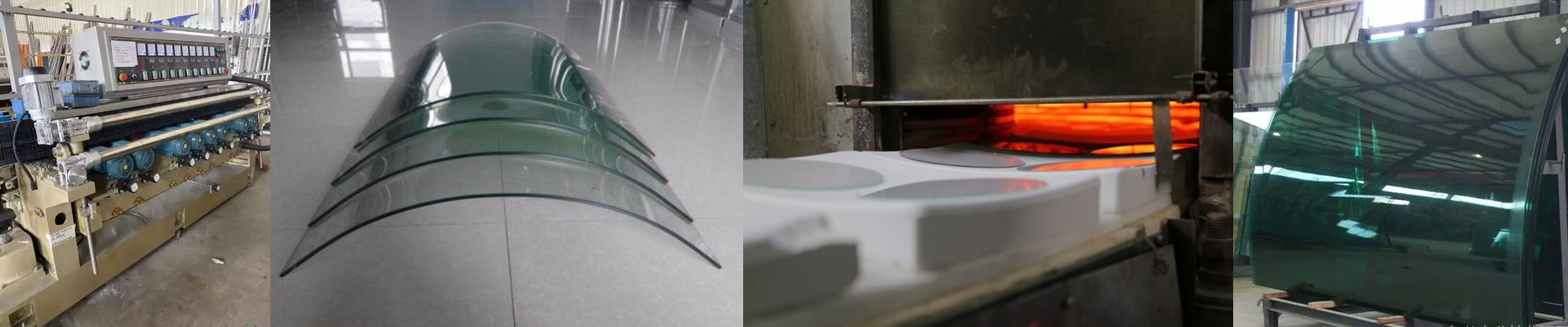
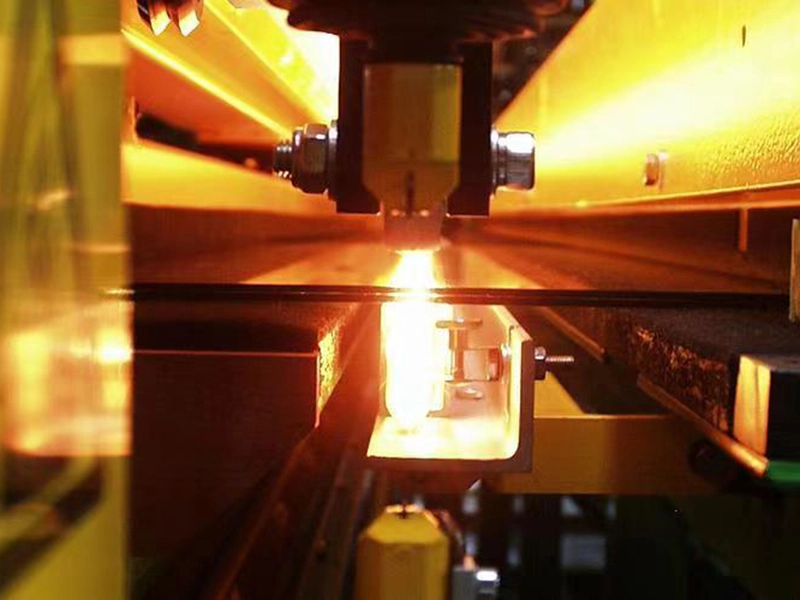
On the glass line, heat is control. If your tempering furnace can’t hold a tight profile, if the bending station is chasing hot spots, or if the lamination press takes too long to settle, you’re bleeding time and yield. We built our heating elements for one thing: repeatable thermal behavior, shift after shift. What matters under the hood Our quartz short-wave infrared elements hit a 2–4°C/s ramp in typical glass processing cycles, so you get faster heat-up and keep the line moving. Across the active zone, the emitting surface holds ±2% temperature uniformity, which means the glass sees a stable thermal field—exactly what you need to manage optical distortion and avoid thermal stress fractures. Power density is set at 25–40 W/cm², enough heat flux for fast response without overshoot. We match the element to the machine footprint and voltage, and spec connectors and terminals that hold up to high-cycle duty. Why this matters on the floor In tempering, uniform heating translates straight into consistent quench pressure and surface compression—fewer breaks, less rework. In bending, the fast ramp shortens the soak window, so throughput improves while shape repeatability stays solid. In EVA/SGP lamination, stable temperature across the press surface keeps adhesion consistent and cuts down bubble defects. For insulating glass sealing, controlled heat helps the primary seal set predictably, supporting long-term durability. The payoff is fewer scrap sheets, fewer parameter swings, and lower specific energy use per square meter processed. Here are the practical details These elements are drop-in replacements for standard OEM heating zones, but you still need to verify clearances and mounting tolerances before changeover. Under operation, surface temperature can exceed 700°C, so guarding, grounding, and proper insulation are non-negotiable. For long life and stable output, keep the emitting surface clean and make sure the power supply matches the rated voltage and current.