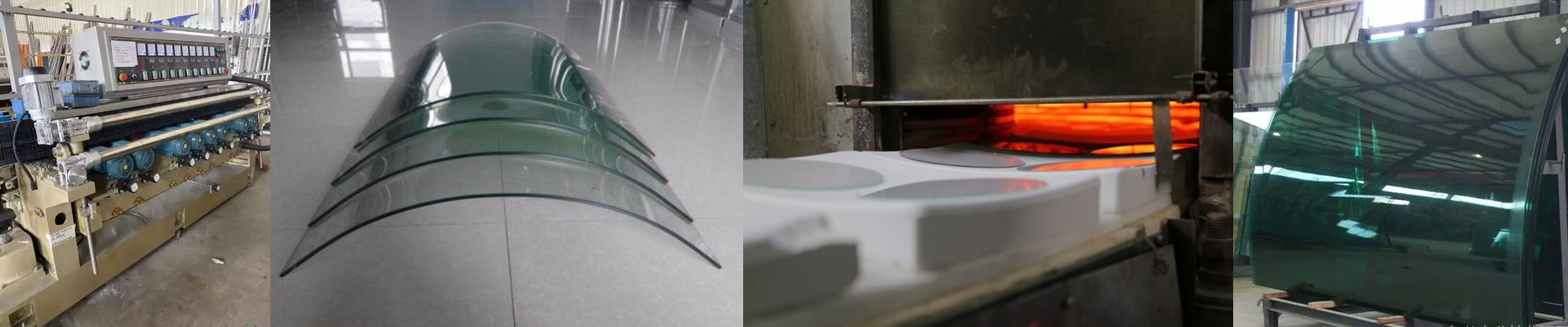
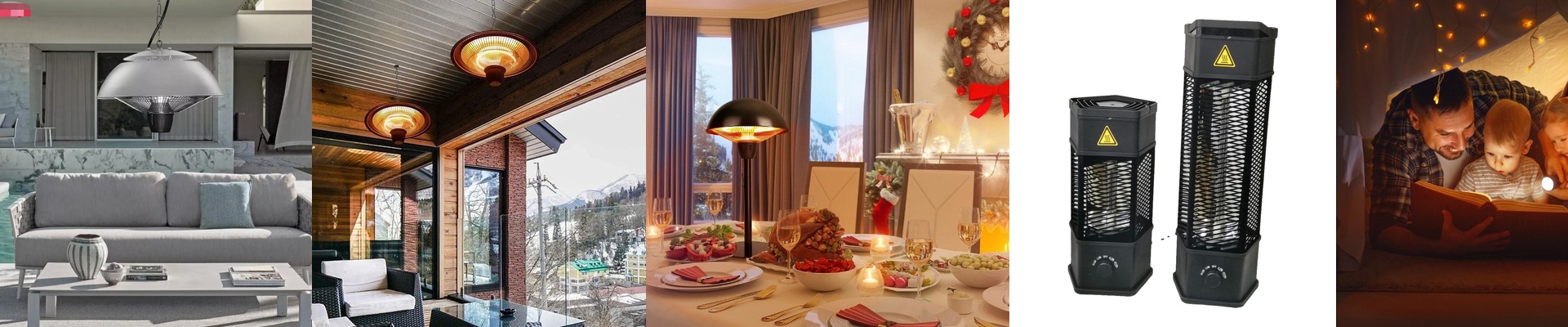
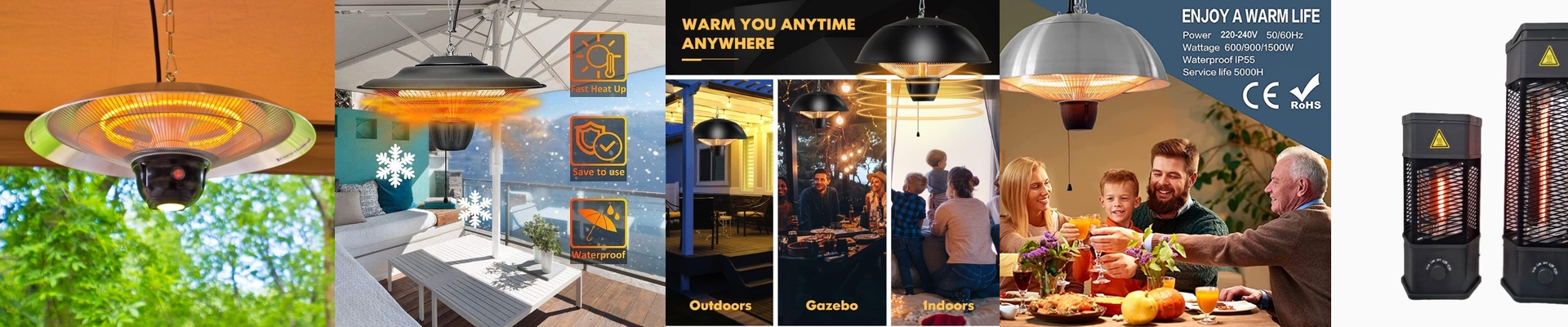

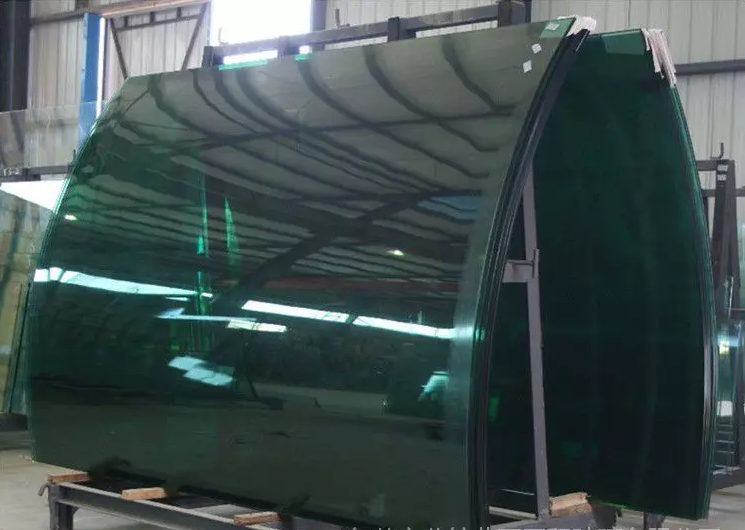
On the line, glass doesn’t wait for anything. A tempering furnace that falters, a bending station chasing hot spots, a lamination press that can’t hold temperature—each hiccup eats yield, eats time, eats money. We built our OEM infrared heating elements to cut out that variability and put the heat right where it needs to be, with repeatable control. What matters under the hood Our NIR quartz elements respond fast and hold temperature tightly. Typical ramp rates hit 10–15°C/s, so you can sprint through changeovers without the usual drift. Across the active face, uniformity stays within ±2% (±5°C), which lowers thermal stress—the kind that shows up as edge cracks and optical distortion. Power density is tuned to 40–60 kW/m², matched to glass emissivity and line speed so heat penetrates quickly without burning coatings. The payoff is predictable heating that keeps the furnace profile stable and the glass flat. In tempering and bending, the heating section sets the pace and defines optical quality. With our OEM-direct modules, heat-up windows get shorter, sag stays consistent, and you hit setpoint faster after each glass interruption. That means higher throughput, fewer reworks from uneven curvature, and less scrap from thermal shock. Energy use drops too, because the element heats on demand and cuts idle losses compared with older, convection-heavy setups. Here are a few practical notes before you swap them in. These elements are designed as drop-in replacements for standard OEM mounting and wiring, but clearance and airflow around the quartz tube still matter. Double-check the housing slot, terminal spacing, and the cooling path. Cold starts bring a bit more inrush current, so verify your control contactor rating. When you pair the elements with the right controller and dial in emissivity, the process runs repeatably—shift to shift, line to line.