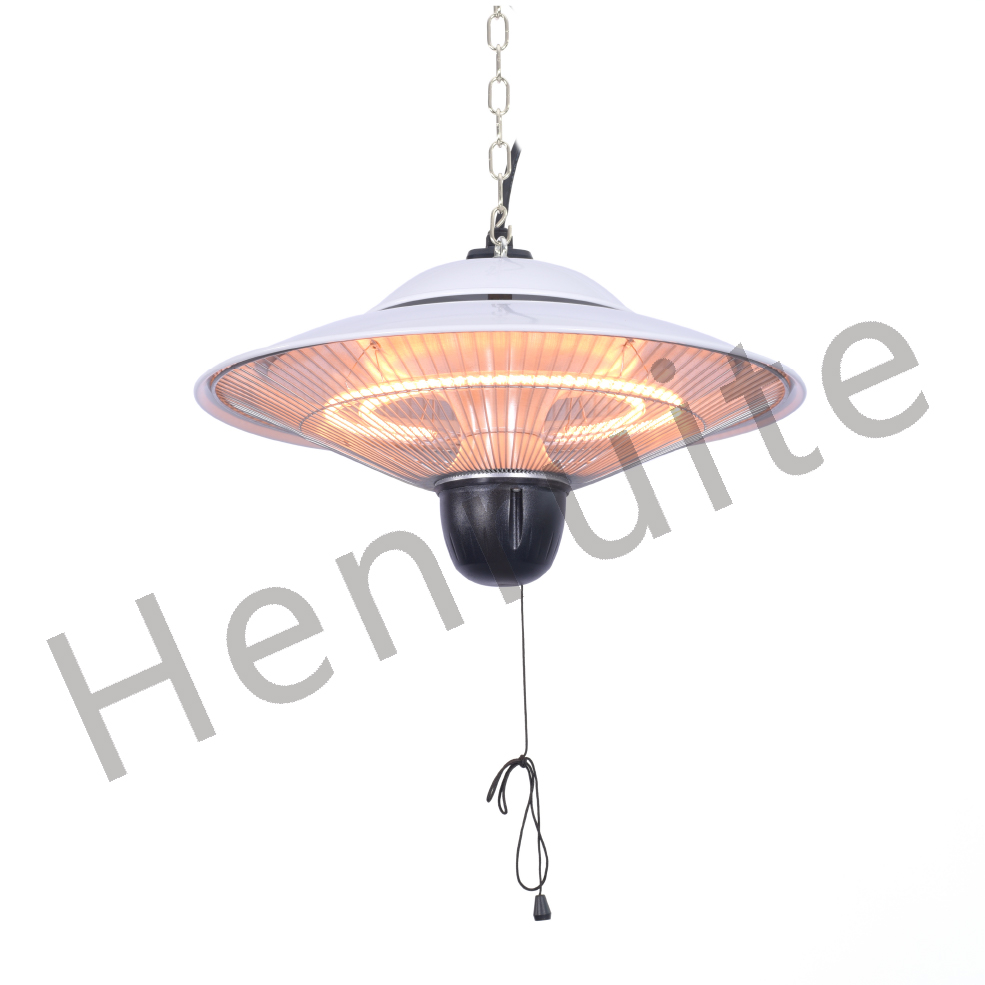
Stop the Bathroom Mold Struggle with Infrared Heat
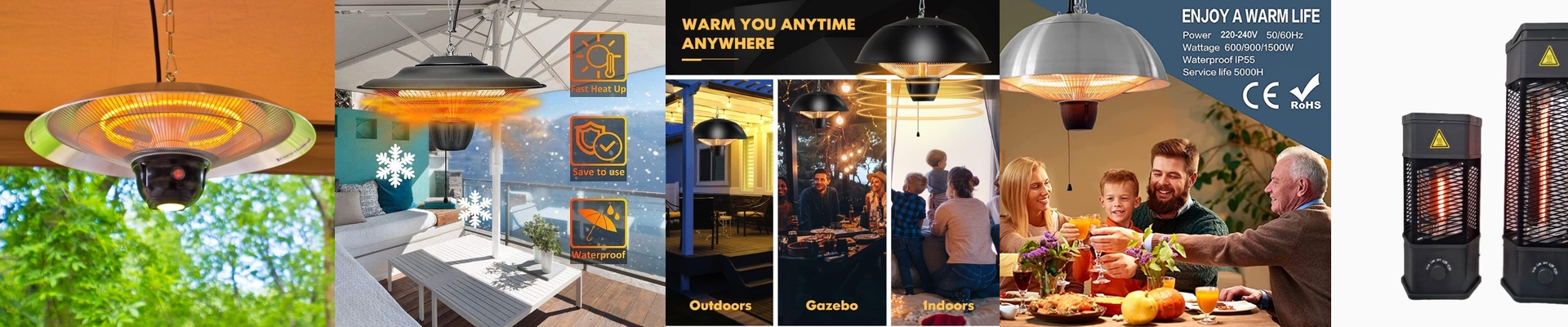
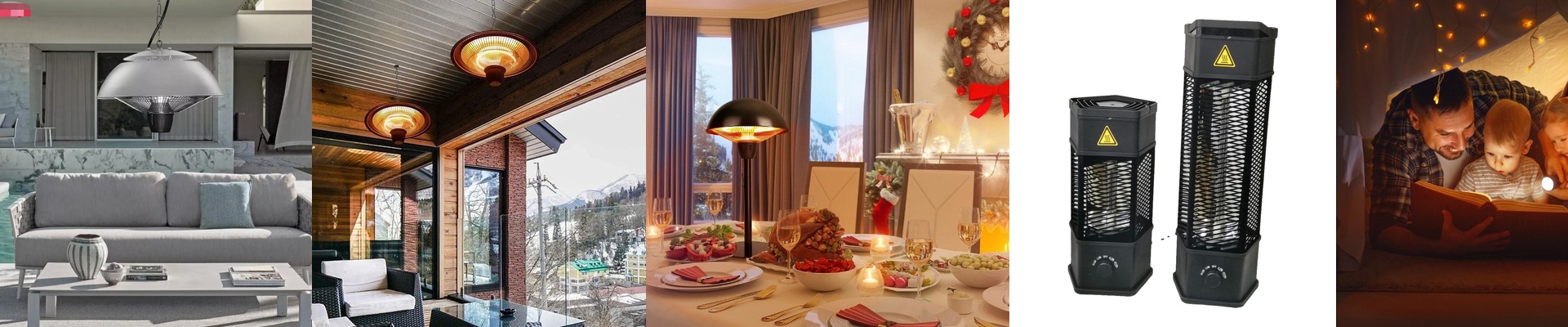
Most people buy a recessed bathroom heater because they hate that freezing feeling when they step out of the shower. But if you look at it differently, these things are actually secret weapons for fighting humidity. Instead of just warming up the air, the right kind of infrared heat goes after the moisture hiding in your grout and sealant—the exact spots where mold loves to move in.
How it actually works
We use shortwave infrared (SWIR) for these setups. Here is the trick: normal heaters just warm the air around you. SWIR is different. It punches through the moisture and hits your walls and floors directly. By keeping those surfaces warm, you keep them above the “dew point.” In plain English? The water can’t condense. If the walls stay dry, mold spores have nothing to eat. It’s a lot easier to prevent the dampness than it is to scrub it off your tiles with a toothbrush.
The nitty-gritty stuff
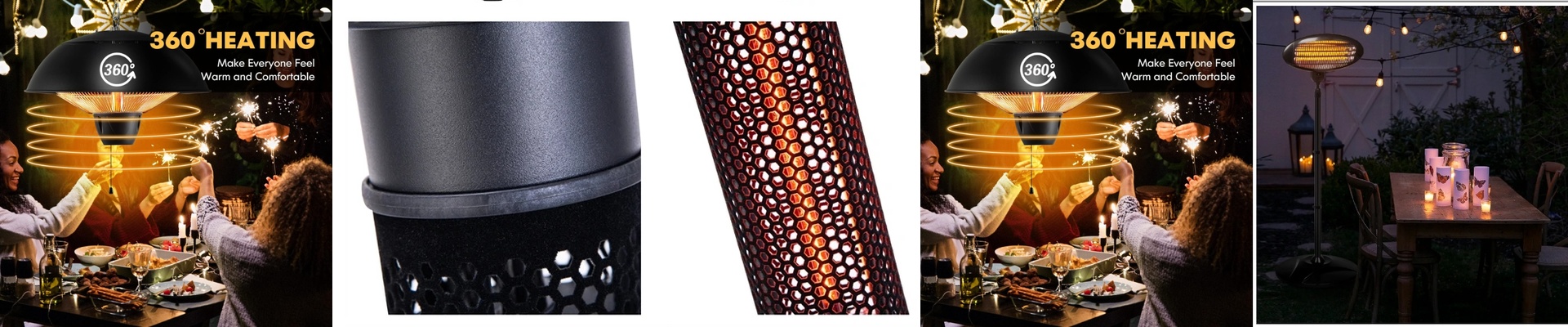
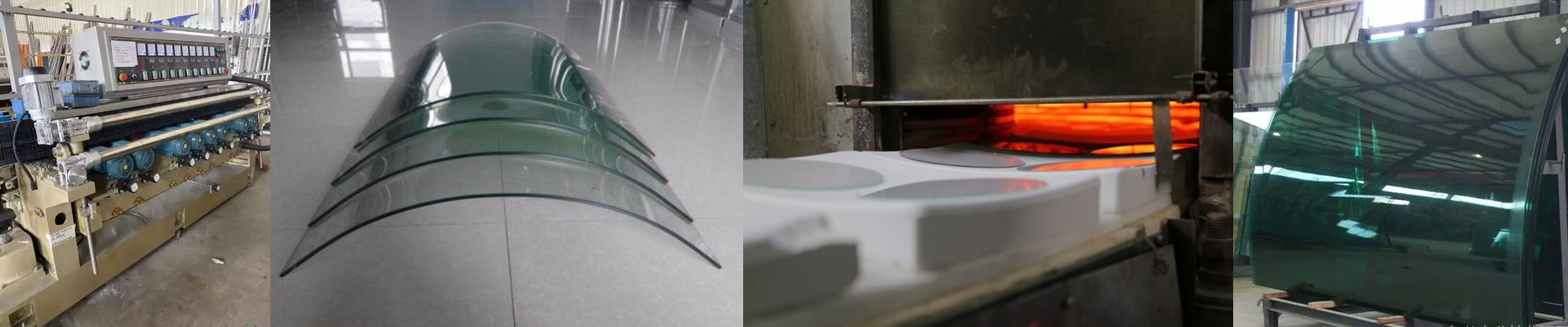
To make this work, you need a bit of punch. We usually go with quartz halogen tubes because they heat up almost the second you flip the switch. Since these are tucked away in the ceiling—usually about 2.4 meters up—you need a high-wattage output. If the heat isn’t strong enough, it’ll never actually reach the floor. Just a heads-up: check your wiring. These lamps pull a lot of power the moment they kick on, so you want to make sure your electrical setup can handle that initial surge.
One important catch
Now, don’t go ripping out your exhaust fan just yet. These heaters are great for drying out the surfaces, but they don’t actually “remove” the water from the room. They just turn that liquid moisture back into vapor. If you don’t have a fan pushing that humid air outside, you’re basically just moving the water from your walls into the air. Keep the fan running. Use the heat to keep the surfaces dry. That’s the winning combo.