


Stop Letting High Ceilings Kill Your Productivity
Let’s be honest: maintaining equipment 10 meters in the air is a nightmare. When a heating element burns out that high up, the cost of the part is the least of your worries. The real pain is renting the scissor lift, blocking off the floor, and watching production grind to a halt while someone fiddles with wires in the rafters. It’s a logistical mess. That’s why we stopped building heaters the traditional way.
A Smarter Way to Build Hardware
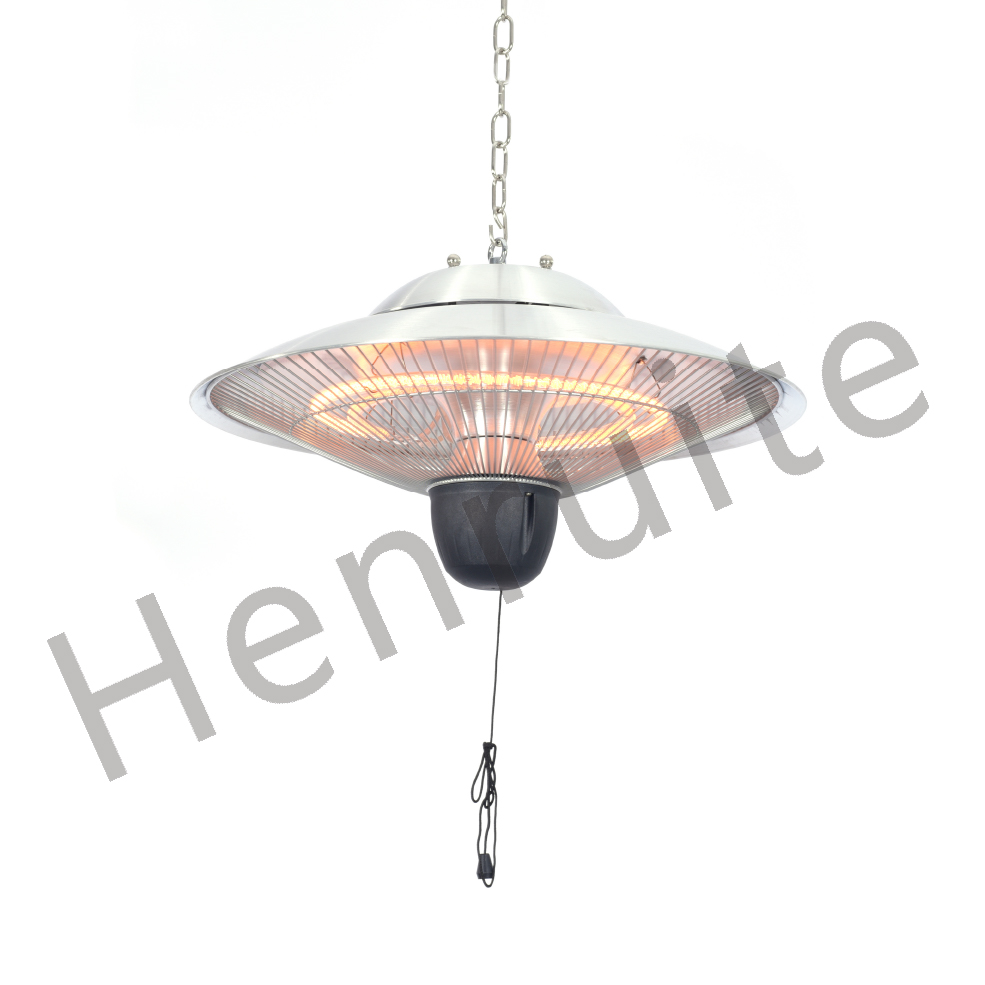
Most industrial heaters are wired like a giant puzzle. If one tube goes, you basically have to tear the whole thing apart to get to it. We decided to scrap that. Instead, we built our system using independent modules. Think of it like a cartridge. The lamp, the reflector, and all the wiring are tucked into one single chassis. So, when a tube finally gives out after five years, you don’t need to spend half a day rewiring the entire array. You just pull out the dead module and snap in a new one.It turns a four-hour electrical headache into a ten-minute swap.
The Honest Trade-off
Now, here is the catch. Because we added those housings and connectors, the units are a bit heavier. You’ll just want to make sure your ceiling mounts can handle the extra weight before you install them. But in my opinion? It’s a trade you’ll make every single time. We also used standardized connectors so everything clicks into place perfectly. No more worrying about loose contacts that cause arcing or kill your tubes early. It just fits.
What This Actually Means for Your Shop
You can stop stressing about that “five-year failure” window. You don’t have to schedule a massive warehouse shutdown or a weekend of overtime just to keep the heat on. Your team can literally swap a module during a coffee break. We stripped out all the fluff. You get direct access to the elements without having to dismantle safety guards or mess with the main power feed. It’s a simple, mechanical fix for a really annoying, high-altitude problem.