

Why Fast-Response IR Lamps are a Lifesaver for Glass Annealing
If you’ve ever run a glass inspection line, you know the nightmare of stress fractures. One tiny temperature dip and suddenly you’re scrapping an entire batch of containers. It’s frustrating, expensive, and usually happens because standard heating elements just can’t keep up. They lag. They swing. That’s why we lean on shortwave infrared (IR) lamps. They don’t mess around—they hit the target instantly.
The secret to that instant heat
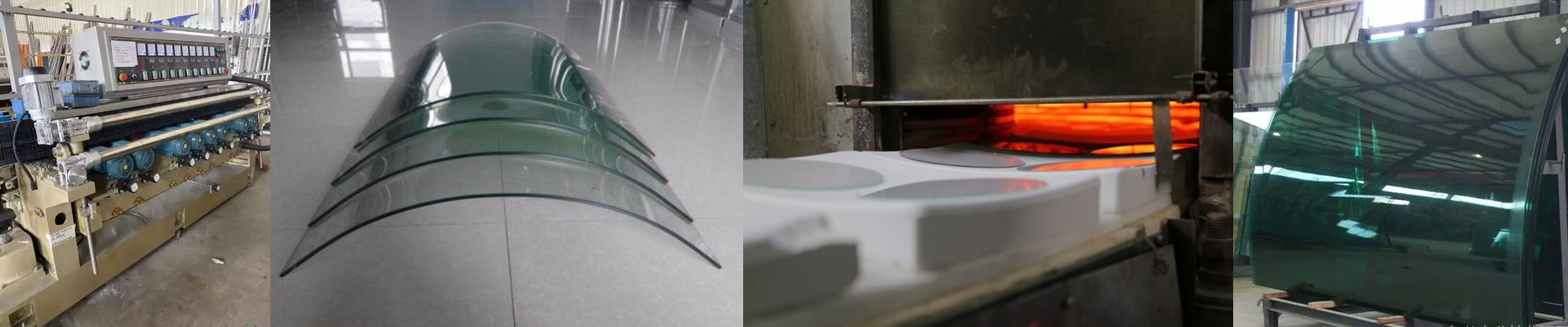
Here’s the thing about inline annealing: you need a heat curve that’s tight. Shortwave IR is different because it doesn’t waste time heating up the air around the glass. It shoots energy straight into the glass surface. This means you don’t have to crawl your conveyor along just to get the temperature right. You can keep the line moving fast. Since these lamps reach full power in seconds, you can tweak the heat on the fly to match your line speed. It just works.
Packing a punch in a small space
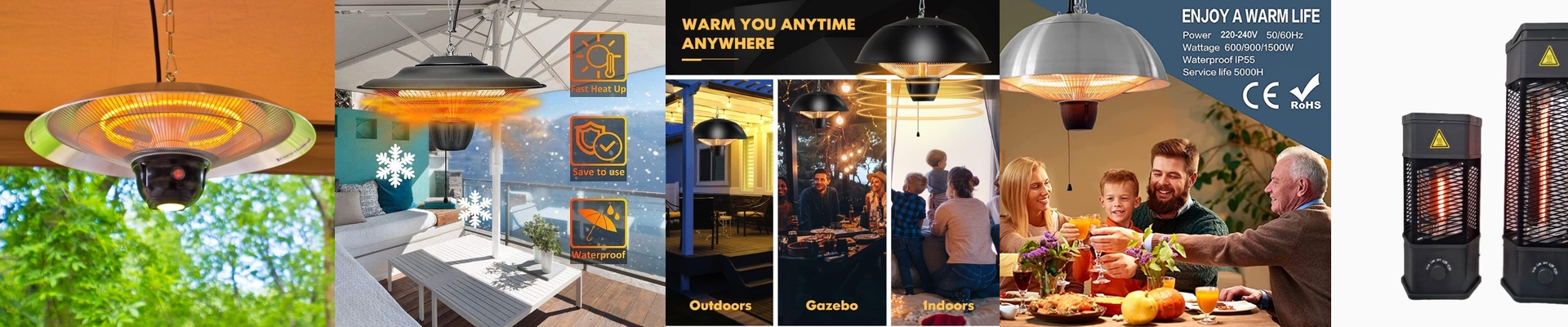
For those thick-walled containers, you need some serious energy density. We use high-wattage quartz tubes to put concentrated heat exactly where it needs to be. The best part? The footprint is tiny, but the output is massive. Because the heat is so focused, your machine frame doesn’t turn into a giant radiator. Just a heads-up, though: make sure your cooling fans are up to the task. You don’t want your electronics frying while the glass is getting cozy.
Keeping the line moving
Downtime is a margin-killer. We’ve all been there—staring at a broken component while the clock ticks. To fix that, we designed these heaters for quick swaps. We use standardized connectors, so when a lamp finally gives out, you just pull it and wire in a new one. No need to tear apart the whole housing. But let’s be real about the trade-off. High-intensity IR is tough on the quartz envelope. If your shop is dusty or dirty, the glass will cloud over or pit over time. Keep your lamps clean. If you let grime build up, your heat distribution goes wonky. You’ll start seeing those annoying “cold spots” in your annealing, and you’re right back to square one. It’s just the reality of working with high-output gear.