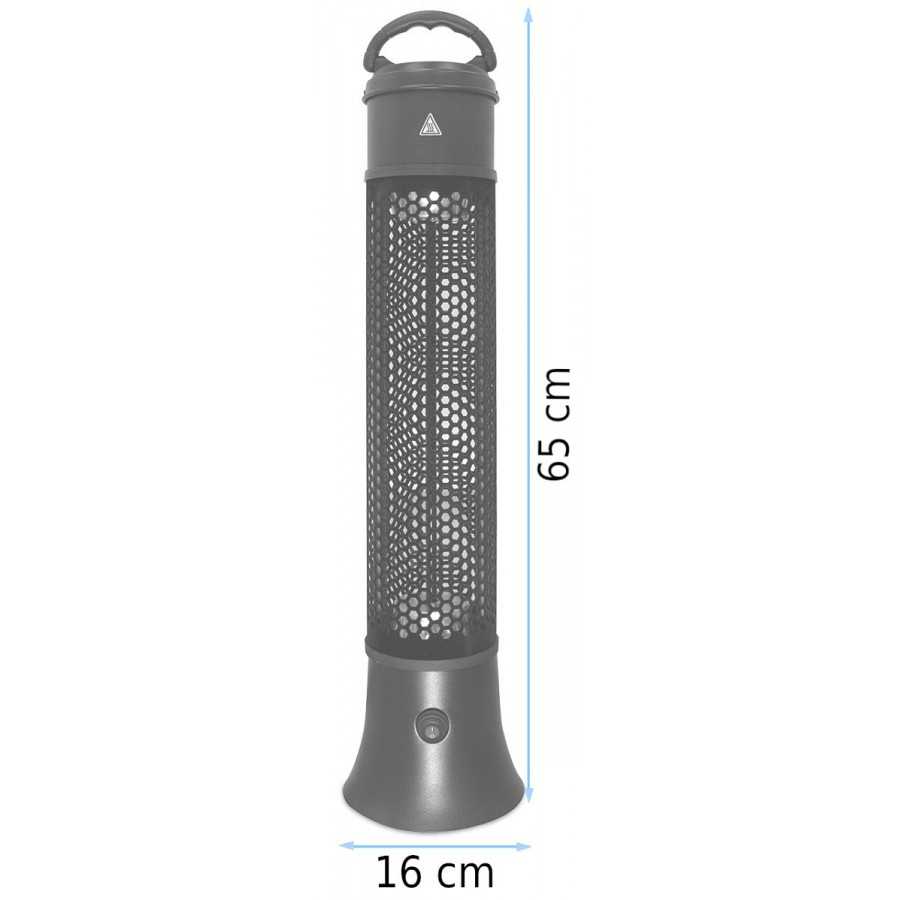
Making Your Outdoor Heaters Actually Smart
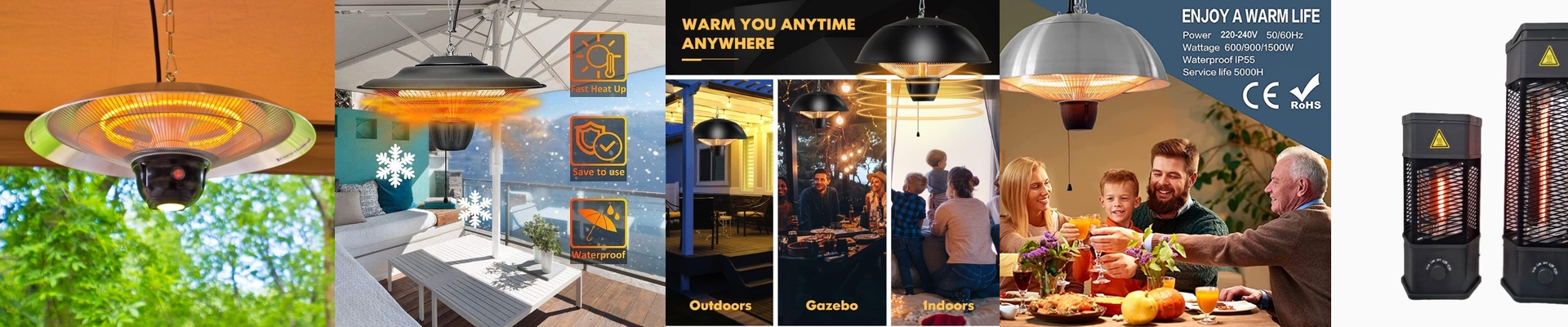
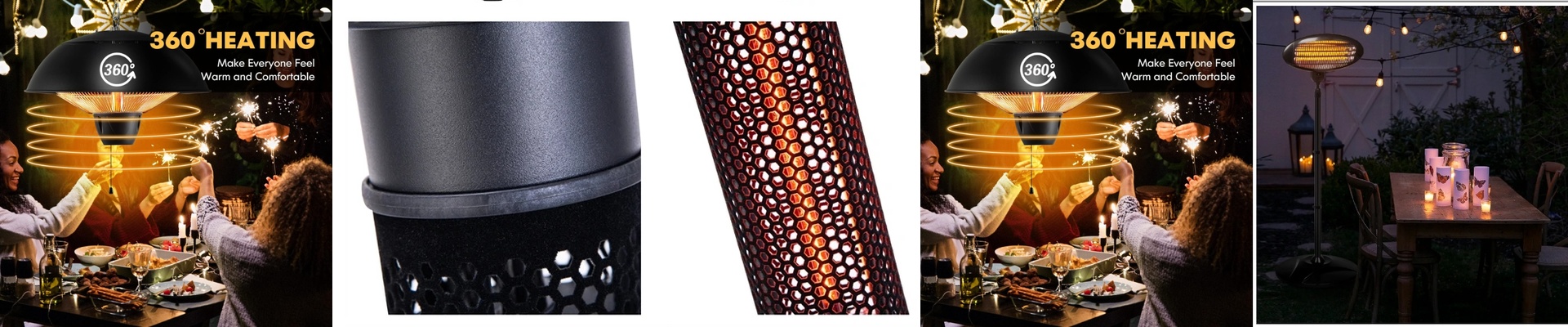
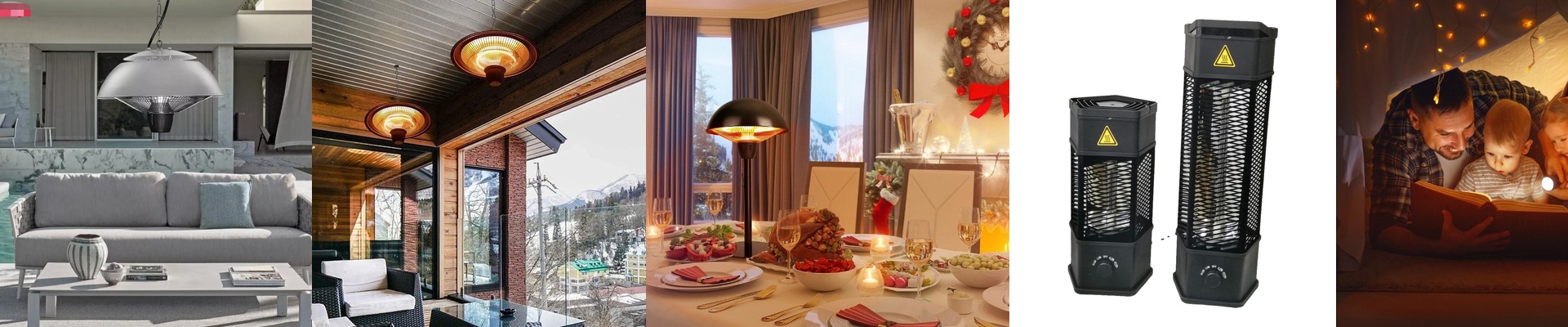
If you’re putting heaters outside, you need gear that can take a beating. That’s where IP66 ratings come in. Basically, it means rain, sleet, and dust can hit the unit and it won’t short out or give up the ghost. But the real magic happens when you stop messing with manual switches and let a smart home system handle the temperature for you. Heat that hits you instantly Here is the thing about infrared: it doesn’t waste time trying to warm up the air around you. Instead, it sends out waves that hit you—or your patio furniture—directly. It feels like standing in the sun on a crisp October morning. We stick with short-wave elements because they’re fast. Really fast. There’s no awkward waiting period. The second your smart home sends the signal, you feel the warmth. Getting it all connected You can’t just wing it with the wiring here. Since these heaters pull a lot of power, you’ll need a heavy-duty relay or a controller that can handle the load without melting. Most people go with Zigbee or Matter so they can just shout a command or tap a button on their phone. I love pairing these with a simple outdoor temperature sensor. You can set it so that the moment the air dips below 10°C, the heaters kick in on their own. You don’t even have to think about it. A few warnings Don’t try to plug these into a cheap smart plug you bought at a drugstore. You’ll fry the circuitry almost instantly. You need a properly spec’d contactor to keep things safe. And remember, while the casing is waterproof, the heat coming off these things is intense. Give them plenty of breathing room. Keep them away from anything that could catch fire, or you’re going to have a very bad day. When it’s done right, you just stop noticing the cold. You step outside, the heat is already there, and you can actually enjoy your backyard regardless of the season.