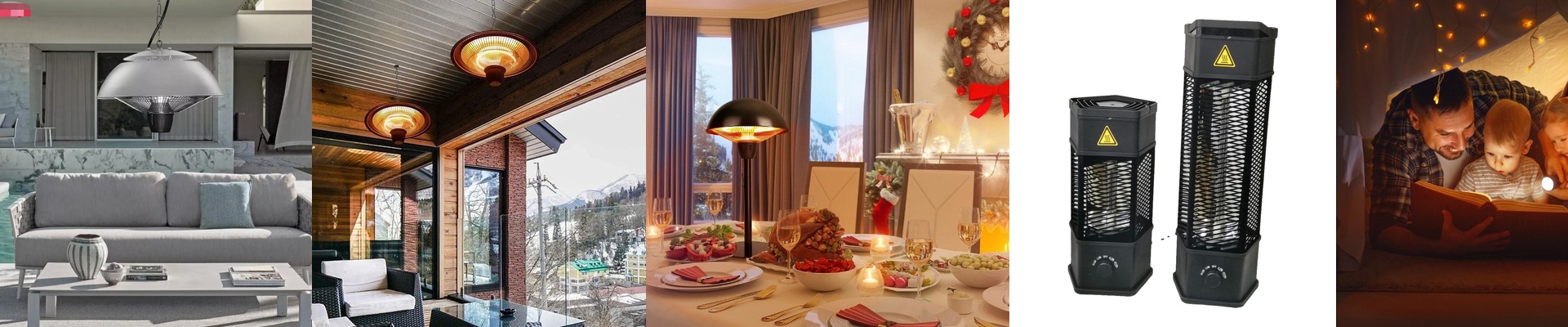


Making Your Space Cozy (And Keeping Your Tech Dry)
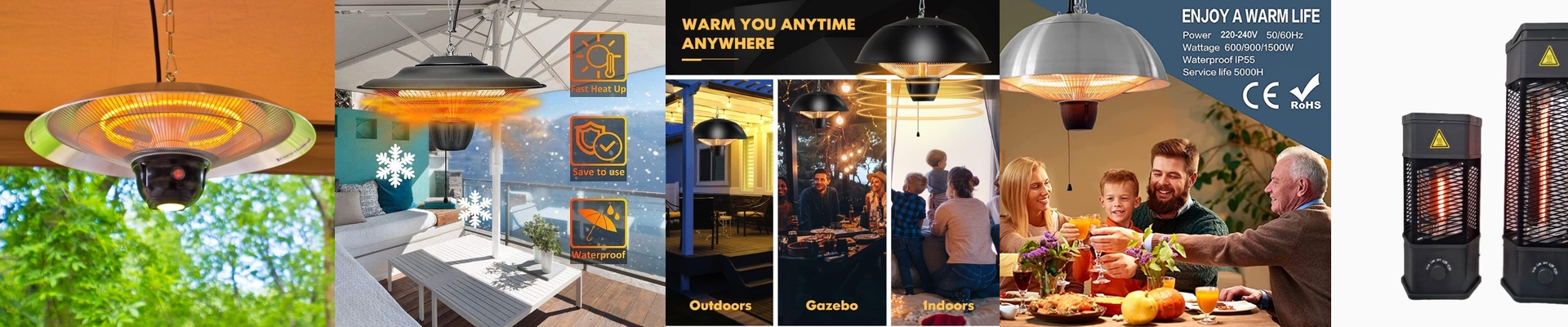
We built these infrared table heaters specifically for those spots where electronics usually go to die—like a steamy bathroom or a chilly outdoor patio. They’ve got an IP55 rating, which is just a fancy way of saying they can handle dust and a few splashes of water without shorting out.
How the heat actually works
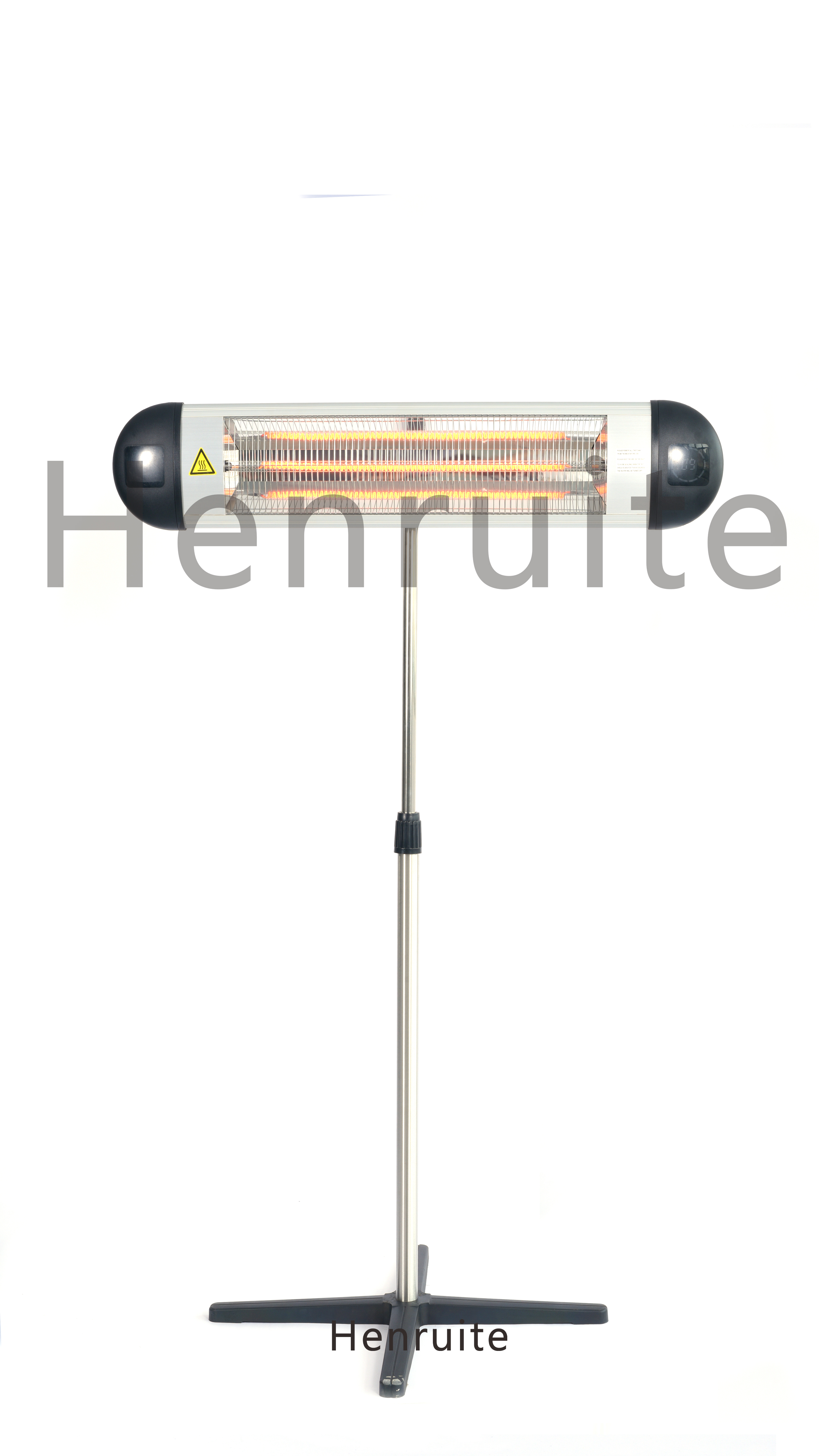
Forget those old oil radiators that take forever to get going. These use short-wave infrared and quartz tubes. Instead of trying to heat up all the air in the room, they beam the warmth directly at you. It’s almost instant. You flip a switch, and you feel it immediately. No waiting around in a sweater while the machine slowly wakes up.
Getting it “Smart”
The real magic happens when you stop messing with manual switches. We hook the heater’s internal relay up to a smart home gateway using Zigbee or Wi-Fi. Now, you can just tap a button on your phone or trigger a “scene,” and the gateway tells the heater to fire up. It’s just… easier. One quick heads-up if you’re doing the wiring yourself: make sure your relay can handle the power load. If you go too cheap on the relay, the high wattage can actually weld the contacts shut. Not a great way to start your morning.
A few things to keep in mind
Here’s the trade-off: waterproofing requires seals, and seals mean the unit can’t “breathe” as well as a cheap, open-frame heater. Because the casing is sealed, the outside of the chassis gets a bit hotter to the touch. Just make sure you give it some breathing room and keep it away from anything that could scorch. Once you’ve got it all wired into your smart home, you can pretty much forget the heater even exists. You just set your triggers, hit a button, and let the warmth do its thing.