

Why Gold-Coated Emitters are a Win for Glass Annealing
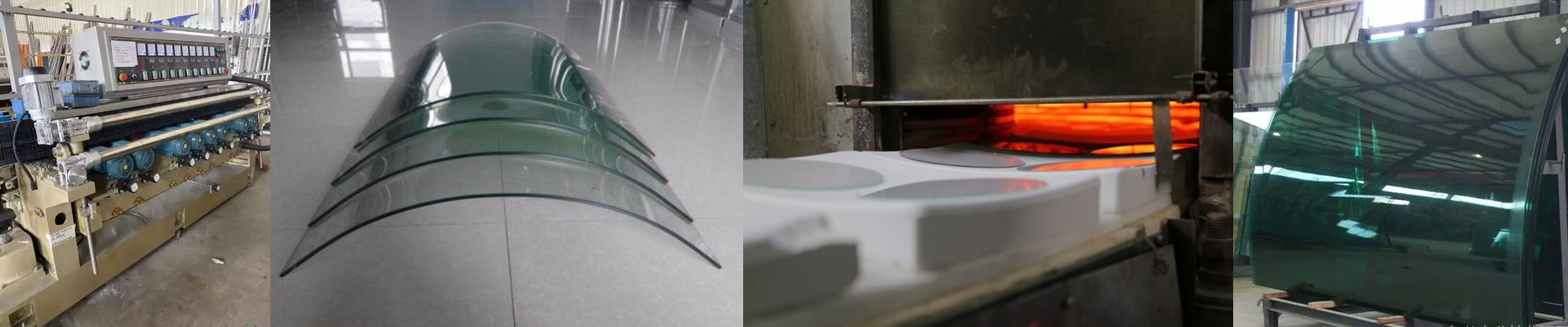
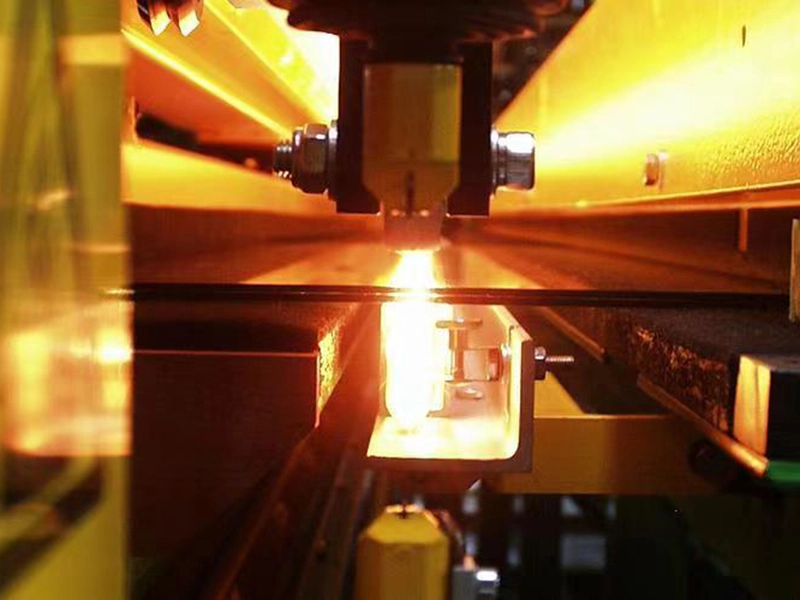
If you’ve ever run a glass production line, you know the struggle. You need to get rid of those internal stresses without grinding your entire operation to a halt. It’s a balancing act. That’s why we lean on gold-coated shortwave infrared (SWIR) emitters. They basically kill the lag time that makes old-school heating elements such a headache. The secret is in the gold. Think about a standard quartz lamp. It throws energy everywhere—it’s wasteful. By adding a thin layer of gold to the back of the tube, we create a high-efficiency mirror. Instead of wasting heat, it pushes everything forward, right onto the glass. It’s a concentrated beam. It hits the material fast. We’re talking seconds to reach your target temperature, not minutes. Keeping up with the line When your line is moving, you can’t afford to wait for a slow ramp-up. These emitters work on a shortwave spectrum, which means they heat up and cool down almost instantly. If you decide to crank up the line speed, you can tweak the power in real-time. No more worrying about the glass cooling too fast and ending up with fractures or weird optical distortions. It just works. The trade-off (because there’s always one) Now, here is the catch. These lamps pack an incredible amount of heat into a tiny space. While that’s great for the glass, it’s a lot for your housing to handle. You’ve got to make sure your cooling fans or water-jackets are up to the task. If you skimp there, you’re looking at melted sockets or warped reflectors. Not a fun day at the office. Fitting them in The best part? You don’t have to rebuild your whole factory. We designed these to be drop-in replacements for older systems, and they’re tough enough to handle the constant vibration of a moving conveyor. Plus, because they’re so efficient, you can actually shorten your annealing tunnel. You get the same results in less space. That means more room on your floor and a lower energy bill every single month.