Fixing Those Pesky Cold Spots in Glass Annealing
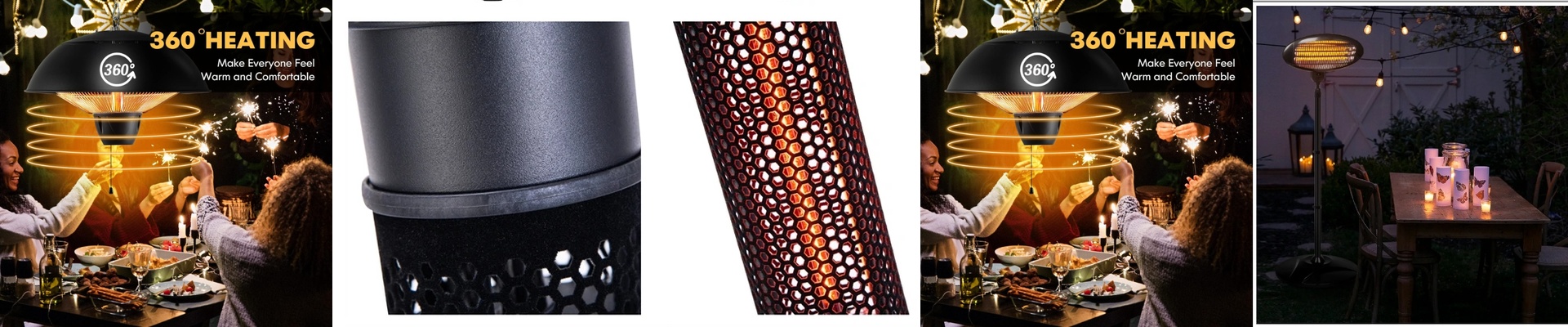
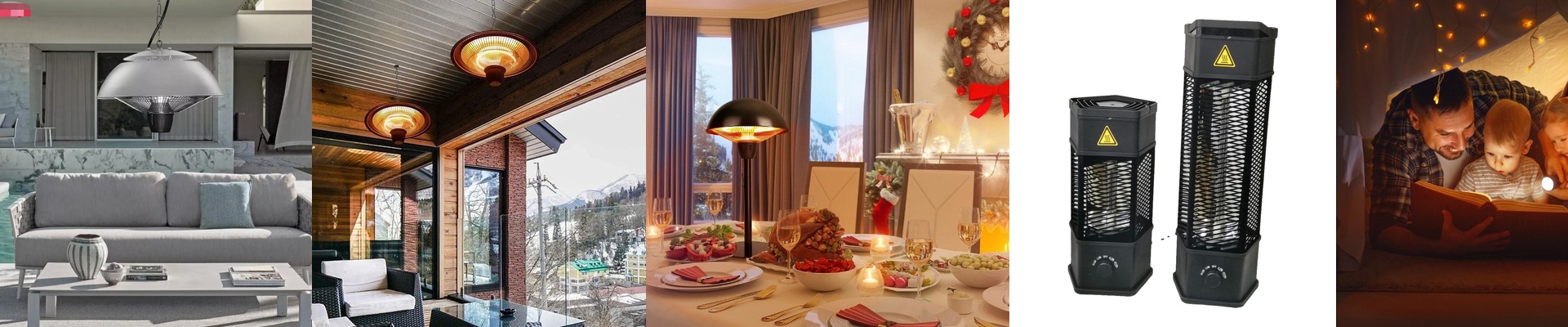
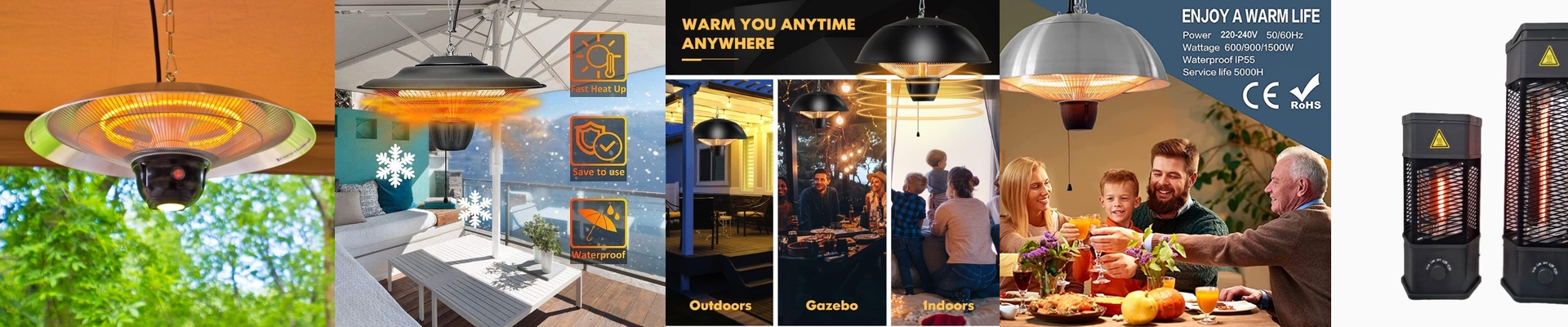
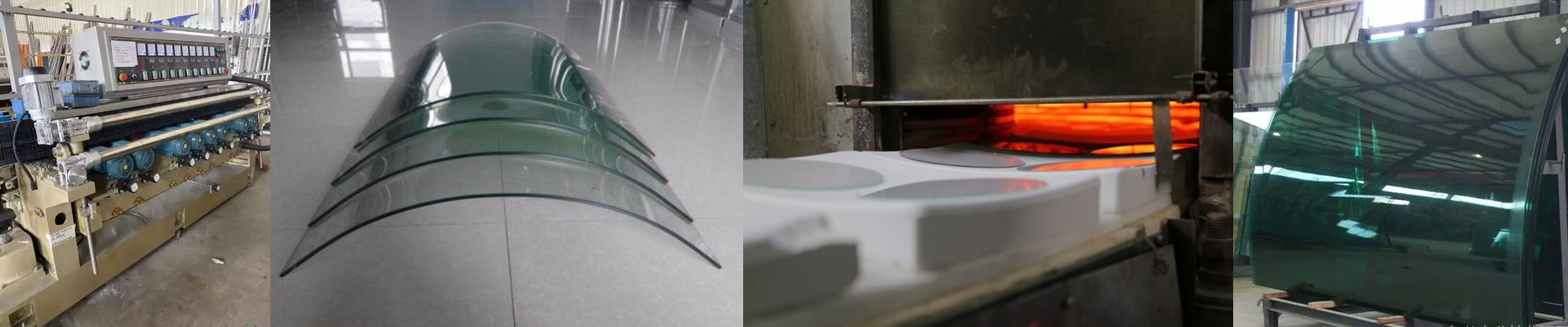
If you’ve ever worked with complex glass—narrow necks, flared rims, or those deep, tricky bowls—you know the frustration. You pull a piece out of the kiln and it just… snaps. The problem is “dead zones.” Standard kilns rely on hot air, but air is lazy. It doesn’t like to crawl into tight crevices or deep pockets. You end up with cold spots that create internal stress, and that’s a recipe for a spontaneous crack right when you think you’ve nailed the piece. To fix this, we stop relying on the air and start using shortwave infrared (IR) lamps. Think of it like a heat lamp for your glass; it delivers heat in a straight line, hitting the spots the air simply can’t reach. Why IR actually works Unlike hot air, IR radiation doesn’t just float around. It penetrates the glass and turns into heat almost instantly. We use quartz-halogen tech because it’s compact. You can pack a lot of heating power into a small space without needing a kiln the size of a garage. By angling the lamps in an array, you can basically “shine” heat into the shadows where convection usually fails. Getting the hardware right We usually go with shortwave lamps here. They run hotter and the waves are shorter, which means they dive deeper into the glass. One quick tip: make sure your lamp length matches the widest part of your vessel. If the lamp is too short, your heat flux won’t be even, and you’re right back to square one. But be careful with your power. A bank of 2000W lamps pulls a massive amount of current. If your wiring is flimsy or your contactors aren’t up to the task, you’ll get voltage drops. When that happens, your lamps won’t hit the temperature you set, and your whole annealing cycle will drift. It’s a headache you don’t want. A word of caution IR is fast. Like, really fast. But that speed can be dangerous. If you blast a cold piece of glass with high-intensity IR, you’re asking for thermal shock. The trick is a stepped ramp-up. Use a PID controller to dial in the power slowly. This keeps the surface from getting scorched while the core of the glass is still catching up. Slow and steady wins here.