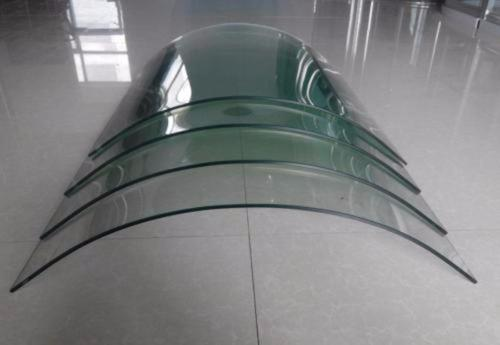
Getting That Perfect High-Gloss Finish: The Truth About Long IR Heaters
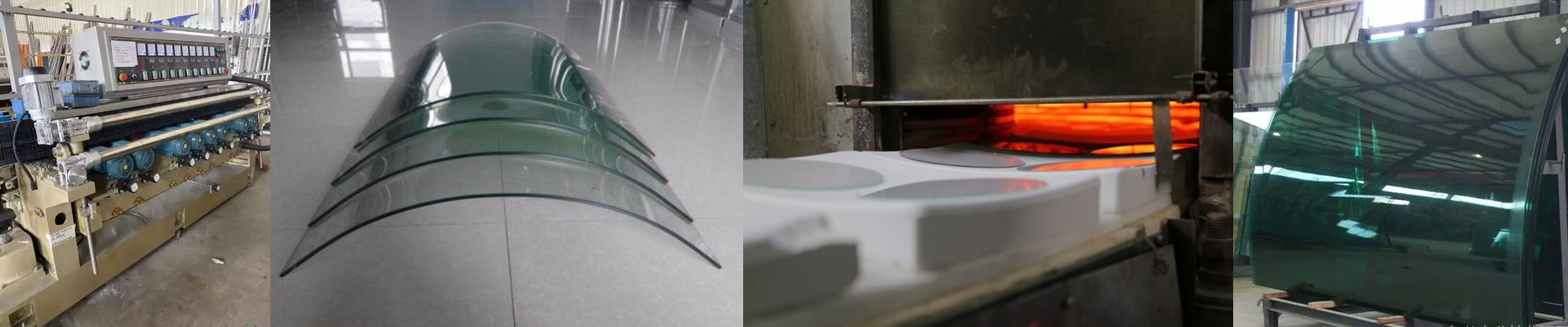
If you’ve ever worked with industrial glass, you know the nightmare of “cold spots.” You’re aiming for a flawless, high-gloss mirror finish, but because of those annoying gaps between standard heating lamps, you end up with streaks. It’s frustrating. That’s why we started building custom infrared units that stretch beyond 2 meters. It’s about getting rid of those gaps entirely. The battle with length and power Here’s the thing: when you go longer than 2 meters, voltage drop starts to fight you. If you aren’t careful, the ends of the lamp won’t be as hot as the middle. To fix this, we tweak the filament winding and voltage ratings so the heat stays steady from one end to the other. Then there’s the physical side of it. A long tube is basically a long lever—it wants to bow or snap. We use heavy-wall quartz glass to keep things rigid. But a heads-up: you’ve got to space your mounting brackets tightly. If you don’t, those tubes will sag under their own weight once they get hot, and that’s a recipe for disaster. Mind the gaps (and the expansion) We design these for a continuous layout. The goal is to keep the distance between lamp ends as tiny as possible. No dips in temperature means no streaks on your glass. Simple. But remember, quartz expands when it heats up. If you jam these lamps too tightly into your kiln frame, they’ll snap the first time you power them up. Seriously. Give them some room to breathe. The trade-offs you need to plan for Adding these massive lamps does put a heavier load on your electrical zones. You’ll want to double-check your wiring and contactors to make sure they can handle the sustained current without frying. Plus, more infrared power means the outside of your kiln is going to get hot. If your shop floor doesn’t have great ventilation, that heat builds up fast. It can trip your safety cut-offs or wear out your electronics way sooner than they should. My advice? Use high-temp shielded cables. It keeps the interference away and stops the wires from melting through.