How to Pack Serious Heat into a Tiny Glass Repair Rig
Let’s be honest: you can’t exactly lug a massive industrial kiln around when you’re doing mobile jewelry repair. It just doesn’t work. When you’re working with a handheld bracket, space is everything. To get around this, we use miniaturized short-wave infrared (SWIR) lamps. Basically, we’re taking a huge amount of thermal energy and squeezing it down into one tiny, intense focal point.
The Struggle with Size and Power
Here’s the thing about shrinking a lamp to fit a mobile rig: you lose surface area. Less surface means less heat hitting the glass. To keep the temperatures high enough to actually anneal the glass without making the lamp bigger, we have to crank up the power density. We’re talking about pushing a lot of wattage through a very short quartz tube. But there’s a catch. When you cram that much heat into such a small space, things get hot—fast. If your bracket is made of cheap materials or lacks a way to cool down, the whole housing will warp. Trust me, you don’t want your mounting clips melting mid-job. Go with high-temp alloys for your chassis. It’ll save you a massive headache.
Why Quartz Matters
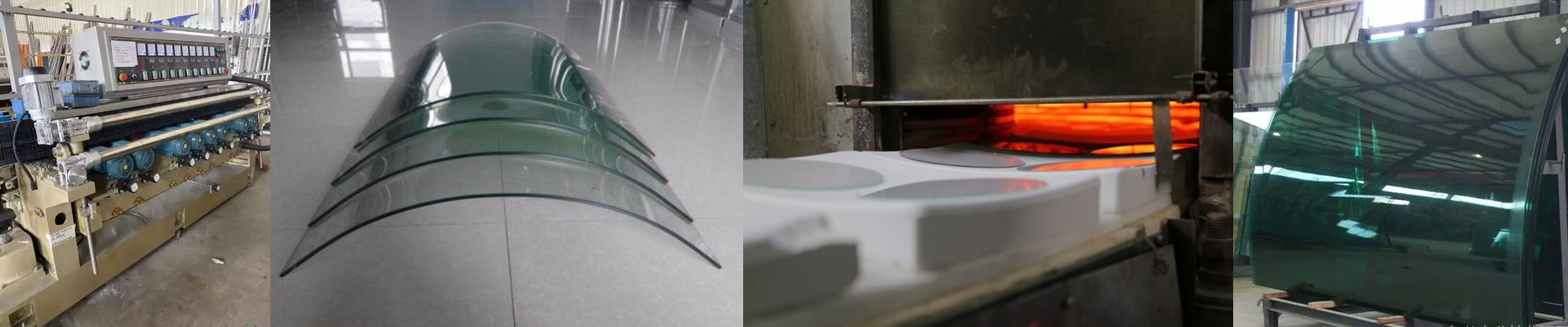
We use high-purity quartz envelopes because they can handle the shock. These lamps go from cold to scorching in a heartbeat, and regular glass would just crack. The magic here is the short-wave radiation. It sinks into the glass surface way faster than the slow, long-wave heat you’re used to. You can hit your annealing temps in seconds. It’s fast. Really fast. And since we’re talking about mobile units, we keep the wiring thin with compact connectors. Nobody wants a bulky cable loom getting in the way of a delicate piece of jewelry.
Making it Work in the Real World
Now, don’t just plug these in and hope for the best. You need a PID controller. Because the heat source is sitting right on top of your workpiece, the temperature spikes aggressively. If you aren’t careful, you’ll shock the glass and ruin the piece. The best way to handle this? Pop a K-type thermocouple about 5mm away from the target. It gives you a real-time look at what’s happening so you can keep things under control.