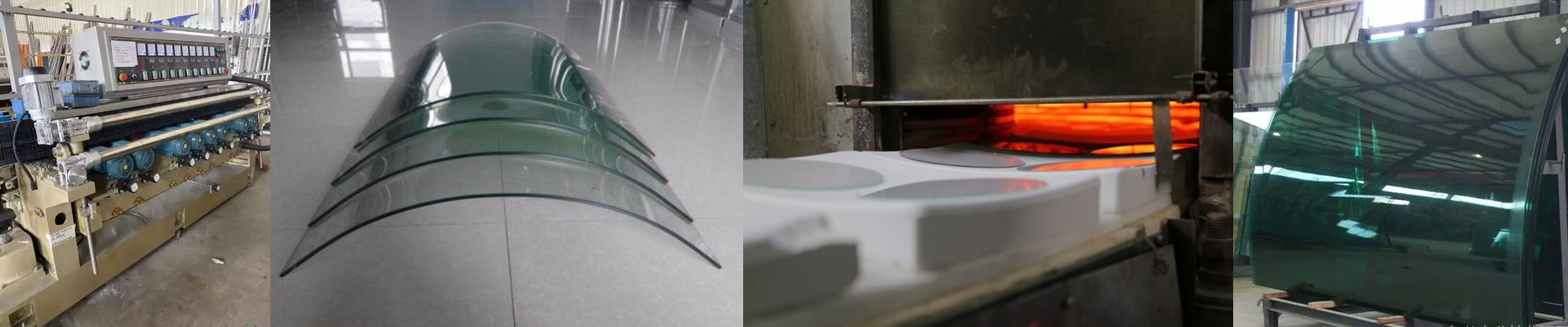


Buying a quartz heater based on a datasheet is a total gamble. In the glass business, if the lamp’s spectral output doesn’t line up with the thickness of your glass, you’re asking for trouble. You’ll end up with uneven heating or, worse, shattered substrates all over your floor. That’s why we don’t just put tubes in a box and ship them. We actually come to your site, run some thermal diagnostics, and figure out exactly how much energy your line needs to run right. The reality of heating glass Glass is picky about how it absorbs heat. If you use a standard longwave heater when you actually need a shortwave halogen source, the heat just sits on the surface. It creates a thermal gradient that puts way too much stress on the material. We look at your specific glass type and thickness to nail down the right wattage and voltage. Sure, a high-voltage setup can cram more power into a smaller space, but it puts a lot more strain on your wiring and connectors. It’s a balancing act. Picking the right materials We stick with high-purity quartz because it can take a beating from extreme thermal shock. Depending on what your shop looks like, we can add specific coatings to shift the emission spectrum. This lets us put the heat exactly where it needs to be. We also offer plenty of terminations—everything from R7s to SK15. The goal is for the lamp to just drop right into your existing sockets. No one wants to spend their afternoon messing around with custom adapters. One heads-up: if you push for max wattage in a short tube, the heat density spikes. You’ve got to make sure your cooling fans or water jackets can handle that extra ambient heat. If they can’t, you’re going to fry your control boards. Real engineering beats a sales pitch A lamp that looks “perfect” on a piece of paper often fails the second it hits the shop floor. We’d rather just visit you and measure the heat distribution in person. We hunt for those annoying cold spots and the zones that overheat. By tweaking the lamp length and how the power is spread out, we stop the guessing game. You end up with a heater that actually fits your machine’s thermal load, rather than a generic part that “almost” works.