Stop Letting Out-of-Stock Parts Kill Your Production
There is nothing worse than a production line sitting dead because some OEM spare part is on backorder. It’s frustrating, it’s expensive, and it puts everyone on edge. We get it. That’s why we do things differently. Instead of making you wait weeks or months, we build custom infrared lamps that fit your exact footprint and get them to your door in7 days.
Getting the Heat Just Right
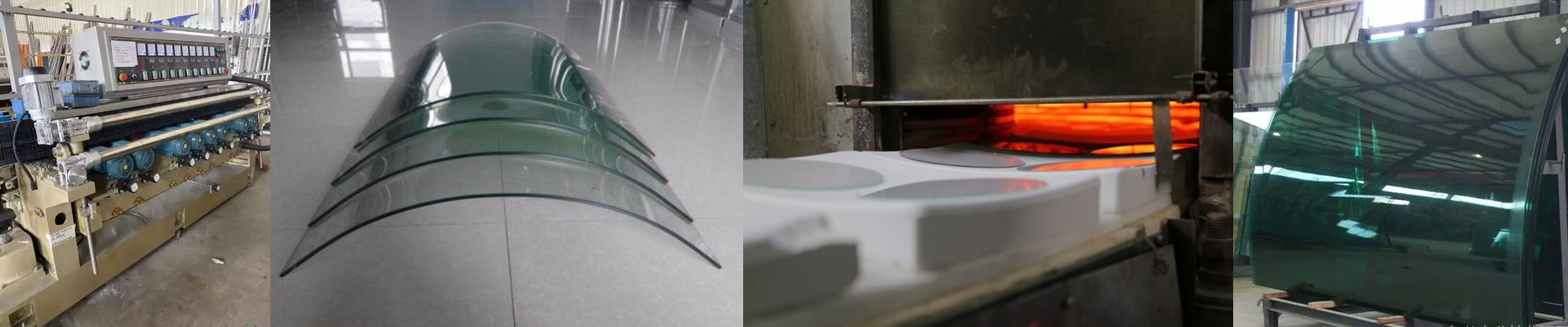
Annealing glass beads is a delicate dance. You need enough heat to get rid of internal stress, but not so much that you actually melt the beads into a blob. We build these lamps around your machine’s existing power rail. If you’re running high-wattage arrays, we’ll tweak the voltage and length so the current draw stays steady. Just a heads-up: while higher voltage lets us use longer tubes without losing power, it does put more pressure on your contact points. You’ll want to double-check that your wiring can handle the peak amperage. Nobody wants a burnout at the terminals right after a fresh install.
The Tech Behind the Glow
We use high-purity quartz glass to house the halogen filament. Why? Because it lets short-wave IR radiation fly straight through and hit those beads directly, rather than getting soaked up by the glass. For the connections, we usually stick with R7s or Sk15 bases. These aren’t just random plugs. We use them because they lock in tight. You won’t have to worry about them vibrating loose while the machine is humming along. And if you’ve got a weird environment—like a lot of debris or a need for a specific emission spectrum—we can add custom coatings to the quartz to keep things protected.
The Trade-off (Keeping it Real)
The goal here is a “plug and play” experience. You pull out the dead lamp, slide ours in, and you’re back in business. But here is the thing about physics: if you try to cram maximum heat density into a tiny tube, the filament has to run hotter. That means the lamp won’t last quite as long as a lower-wattage version would. We’ll work with you to find that sweet spot—balancing your cycle time with the wattage—so you get the best possible runtime without ruining the quality of your annealing.