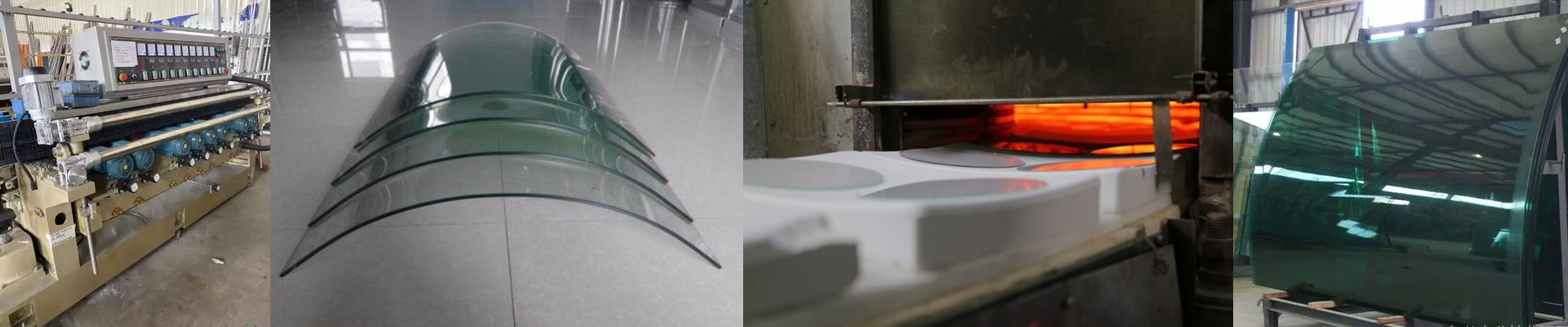
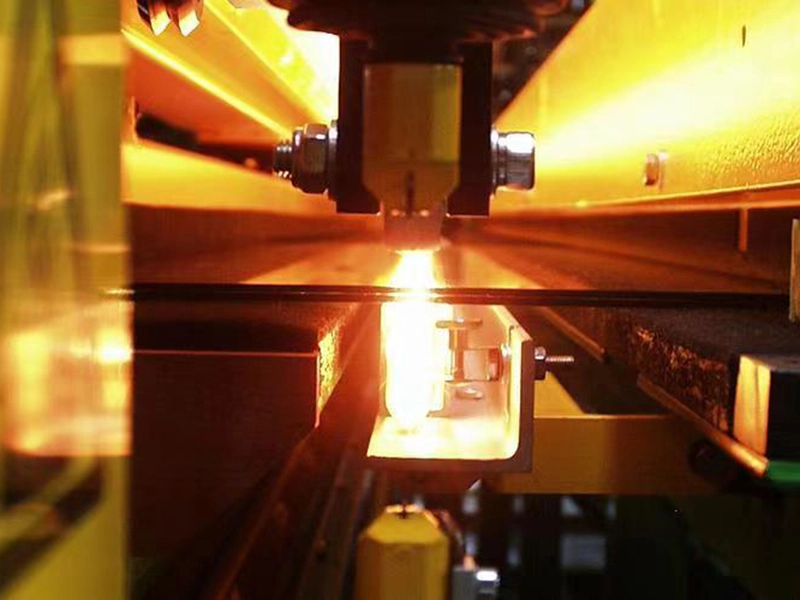
Getting the Balance Right: Silk-Screening and Glass Tempering
Here’s the struggle when you combine silk-screening with tempering: you’re basically fighting with physics. You need enough heat to make the ink stick and get rid of those internal stresses in the glass. But if you push it too far? The ink starts to bleed or the glass warps. It’s a tightrope walk. We handle this by getting very specific with the shortwave infrared (IR) lamps in the annealing lehr. The heat game To keep your patterns from blurring, you can’t just blast the whole room with heat. We use high-density IR lamps that hit the glass surface directly without cooking the air around it. We usually lean on high-wattage quartz tubes. By tweaking the wattage and voltage, we hit that “sweet spot” temperature where the ink cures perfectly. If your power density is too low, the glass hangs out in that transition zone for too long. That’s usually when you start seeing those annoying cloudy patterns. Picking the right gear We stick with halogen-filled quartz tubes. Why? Because the color temperature stays stable. For silk-screened glass, shortwave IR is the way to go. It punches through the surface fast. We also use coated tubes to bounce the heat forward. You want the energy hitting the glass, not wasting away by heating up the inside of the lehr housing. And a quick tip on the boring stuff: use standard connectors like R7s or Sk15. It makes life so much easier. When a tube finally burns out, you can swap it in seconds instead of hunting for some weird, custom part that’s on backorder. The trade-off Now, it’s tempting to just crank up the heat to speed up the line. More kilowatts equals faster throughput, right? Not exactly. There’s a catch. If you cram too much power into a small area, you get “hot spots.” That’s where things go south. You might end up with localized tempering failures or “fish-scaling” in your ink—which looks terrible. It’s all about the balance. You have to sync your lamp output with your conveyor speed and the airflow in the cooling zone. That’s how you get glass that’s strong enough to pass safety tests while keeping your prints looking sharp.