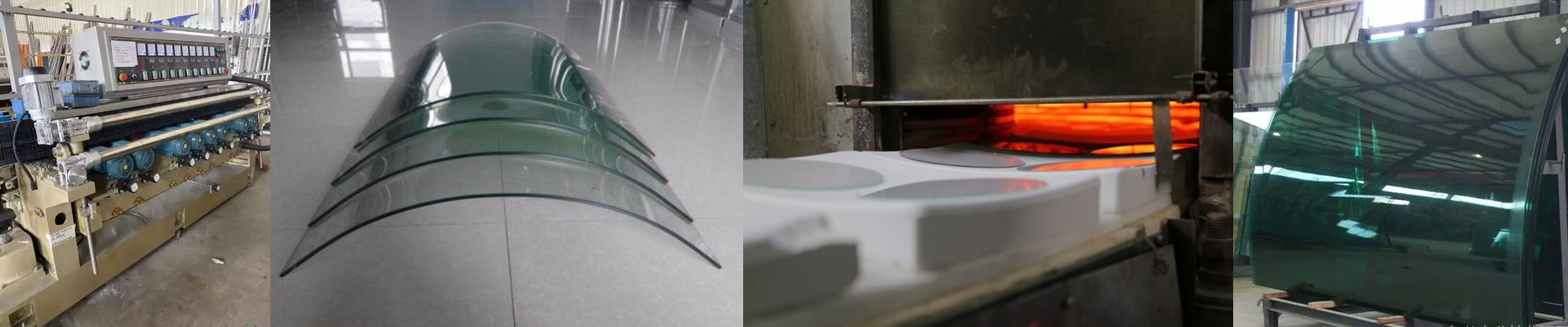


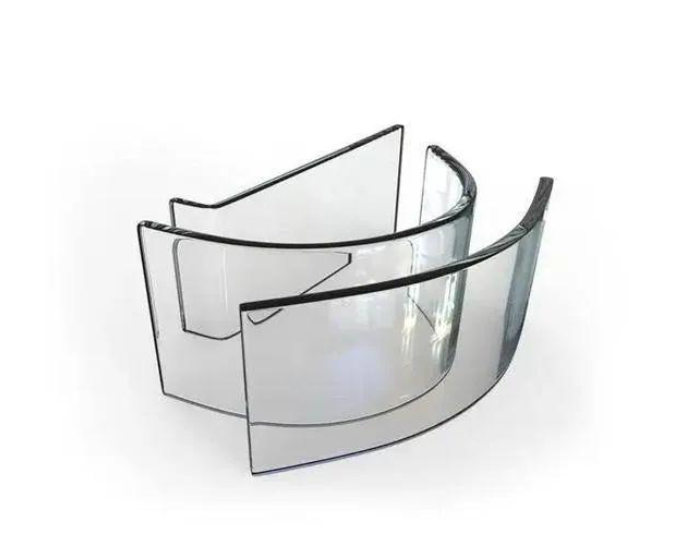
Cutting ultra-thick glass is a nightmare for your equipment. If you’ve ever tried to score a heavy, cold plate, you know the feeling—the resistance is brutal. Your cutting wheels just can’t take that kind of abuse for long. They burn out way too fast, and you end up with jagged, ugly edges that ruin the piece. We found a better way to handle this: infrared (IR) heating lamps. Instead of forcing the wheel to fight the glass, we soften the path right before the cut. Why standard heat doesn’t cut it If you just try to warm the glass normally, it doesn’t work. The surface cools down the second you move, and the heat never actually gets inside. That’s where shortwave IR radiation comes in. These lamps don’t just warm the “skin” of the glass; they push energy deep into the material. It changes the glass from a rigid wall into something a bit more “plastic” and forgiving. The result? The wheel doesn’t have to fight for its life. It just glides through a softened zone. Your wheels last significantly longer, and your score lines finally stay consistent. The gear (and the catch) To get that deep penetration, we use high-wattage quartz halogen tubes. They pack a punch, delivering concentrated heat exactly where the blade hits the glass in a matter of seconds. But here is the thing: these lamps gethot. Like, really hot. If you just throw a high-density array into your setup without proper shielding, you’re asking for trouble. You could warp your machine frame or fry your sensors. Just make sure your cooling system is actually built to handle the ambient heat these lamps kick off. Keeping it running The good news is that these lamps are pretty easy to install—they’re basically drop-in replacements for most industrial cutting headers. One pro tip: keep an eye on your reflectors every few months. It sounds simple, but a little bit of dust buildup can kill your penetration depth. When the reflectors get dirty, the glass stays too hard, and your wheels start taking a beating again. Keep the optics clean, and everything stays smooth.