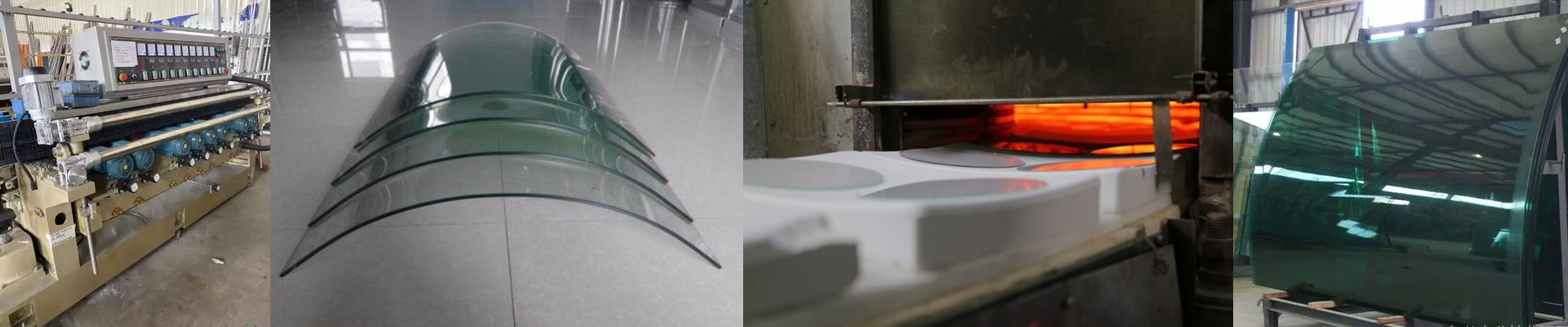
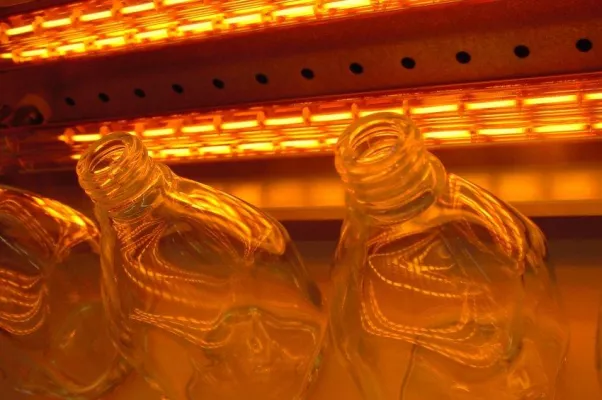
Selling a reflector is the easy part. The real headache? Getting the heat profile exactly right on a piece of curved glass. I see it all the time. An engineer swaps out a burnt-out lamp and calls it a day, without ever stopping to ask if the reflector is actually pushing that energy where it needs to go. Here is the thing: your lamp is basically useless without a great mirror behind it. We use high-purity aluminum or gold coatings to kick that short-wave infrared radiation right back toward the glass. If your reflector isn’t spec’d perfectly, you’re basically throwing away half your energy. It just leaks into the machine frame. That doesn’t just waste power—it forces you to crank the heat higher, which kills your tubes way faster than they should die. Then there’s the shape. A parabolic curve is great when you need to concentrate the beam for tight bends. But if you need a wider, more even spread, you want something flatter. The magic happens in the focal point. You have to match that point to the exact distance between the lamp and the glass. If you’re off by even a few millimeters, you get hot spots. And hot spots mean thermal shock or uneven sagging. Not a good look. That’s why we don’t do “catalog orders.” You can’t figure out a thermal system from a PDF. We’d rather get on your shop floor and actually run a thermal scan. We’re looking for the “dead zones”—those spots where the reflector has warped or oxidized over time. But look, there’s always a trade-off. High-reflectivity coatings give you a massive boost in heat flux, but they’re soft. They scratch. If your crew is scrubbing them with abrasive pads, you’ll ruin the efficiency in a month. We’ll help you pick a coating that actually fits how your team handles maintenance. That way, the whole system doesn’t just burn out the moment you look away.