Getting the Heat Right: Why Standard IR Lamps Fail in Glass R&D
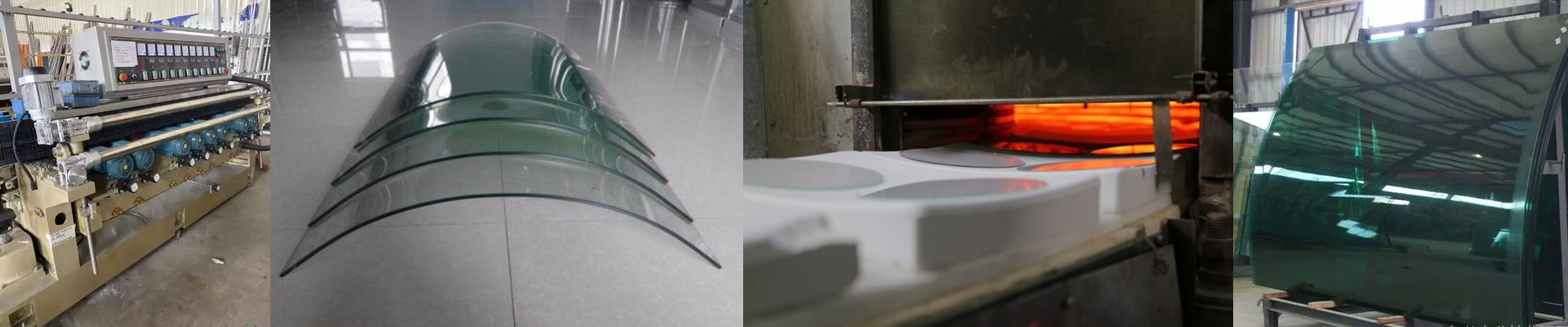
If you’ve ever tried using a standard, off-the-shelf infrared lamp for glass research, you know the frustration. They’re designed to be uniform. Everything gets the same amount of heat. But in a glass oven, uniform is usually the last thing you want. To really see how a new glass composition holds up, you need stress. You need those specific thermal gradients—sharp differences in temperature—to see where the material cracks or bends.
It’s Not Just About the Size
Most shops will ask you for the length and diameter of the tube and call it a day. That’s fine for a space heater, but not for a lab. We look atpower density. By messing with the filament winding pitch and the coil diameter, we can actually build “hot zones” and “cool zones” right into a single tube. It means you can mimic a massive industrial furnace on a tiny lab scale. Say you need a massive heat spike right in the center of a 500mm tube, but you need the ends to stay tempered. We don’t guess. We map out the wattage per centimeter to make sure you hit those exact numbers.
The Quartz Trade-off
We stick with high-purity fused quartz. Why? Because it lets short-wave IR pass straight through. You want that energy hitting your glass substrate, not getting trapped and absorbed by the lamp itself. But here is the honest part: pushing that much power into a small area comes with a price. When we crank up the heat flux, the filament lives dangerously close to its melting point. You’re going to see a shorter lifespan than you would with a low-density lamp. It’s a balancing act. You have to decide if you need aggressive heating right now, or if you’d rather change the bulbs less often.
Putting Them to Work
These are built to be drop-in replacements for your R&D ovens. We offer a few different end-cap options too, because nothing ruins a day like a seal leaking during thermal expansion. One quick tip on the wiring: double-check your power supply. Custom windings have specific voltage drops. If you use a mismatched transformer, it shifts the power distribution and completely ruins the custom density map we worked so hard on. Just make sure your controller matches the lamp’s resistance curve, and you’re good to go.