The Secret to Glass That Doesn’t Crack
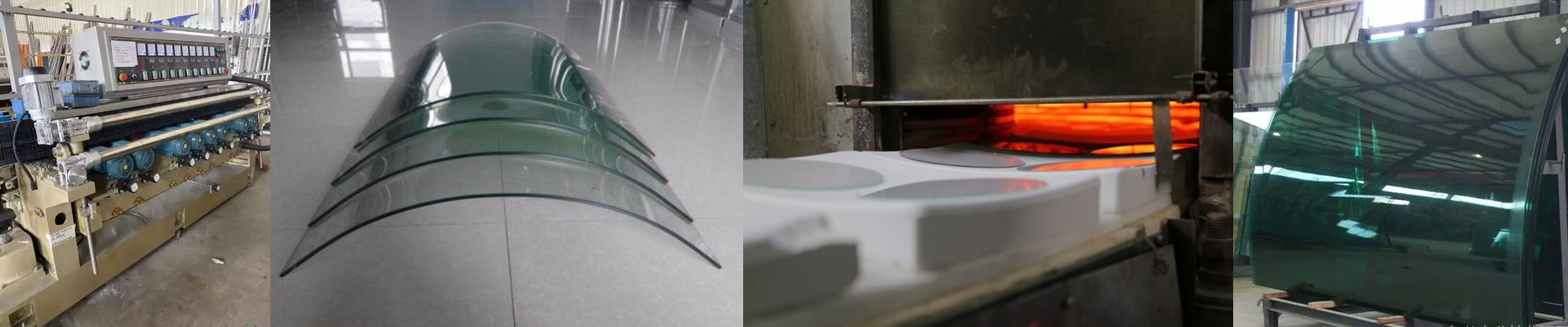
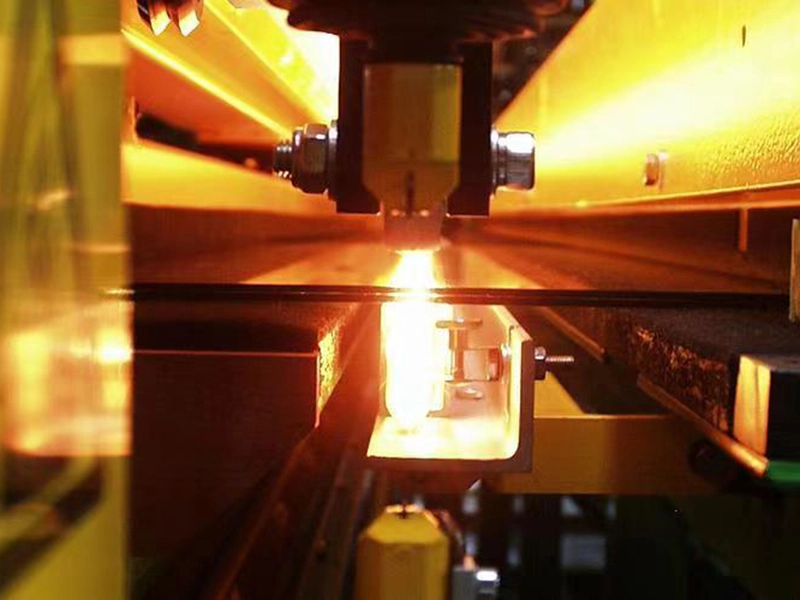
Ever had a piece of lab glassware shatter right when you thought it was finished? It’s a nightmare. Usually, it happens because of internal stress that didn’t get smoothed out during cooling. To stop those fractures, you need your temperature to stay rock-steady. We’re talking a margin of 0.1°C. That sounds obsessive, but in this game, it’s the only way. And that stability actually starts with something small: the hardware holding your infrared lamps. For us, that means the SK15 ceramic holder. Why bother with ceramic? Here’s the thing about metal holders—they warp. You run them through high-heat cycles over and over, and they start to drift. The SK15 is high-density ceramic, so it just stays put. Even when the lamp is cranking out peak wattage, the holder doesn’t budge. That’s huge because it keeps your infrared emitter pointed exactly where it needs to be. If that lamp shifts even a few millimeters, you get hot spots. And hot spots are basically an invitation for the glass to expand unevenly and crack. Managing the heat The SK15 also acts as a buffer between the scorching quartz envelope and your electrical wiring. Since ceramic doesn’t conduct heat, it stops the warmth from crawling back down the lead wires. Without that, you’d be melting your insulation or tripping your controllers. Just a heads-up: you’ve got to pair these with the right power supply. A high-wattage setup gives you the heat density you need for fast annealing, but it puts a lot of pressure on the contact points. We’ve built these to handle that current without the metal pitting or oxidizing. The one catch Now, there is a trade-off. Ceramic is stiff. It handles heat like a champ, but it can’t take a hit. If your team is a bit rough when swapping out lamps, the ceramic can chip. You’re basically trading impact resistance for that pinpoint thermal stability. So, just treat them with a bit of care during installation. Wire them up securely, make sure the fit is snug, and your thermal gradient will stay flat. It’s a small price to pay for glass that actually lasts.