
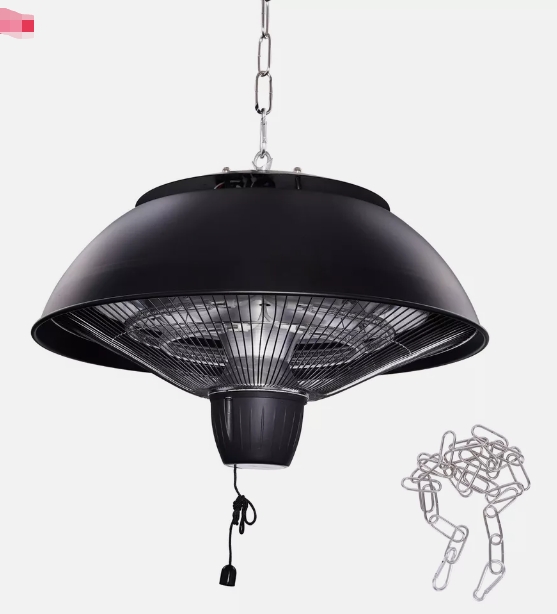
Why We Stopped Making “Disposable” Patio Heaters
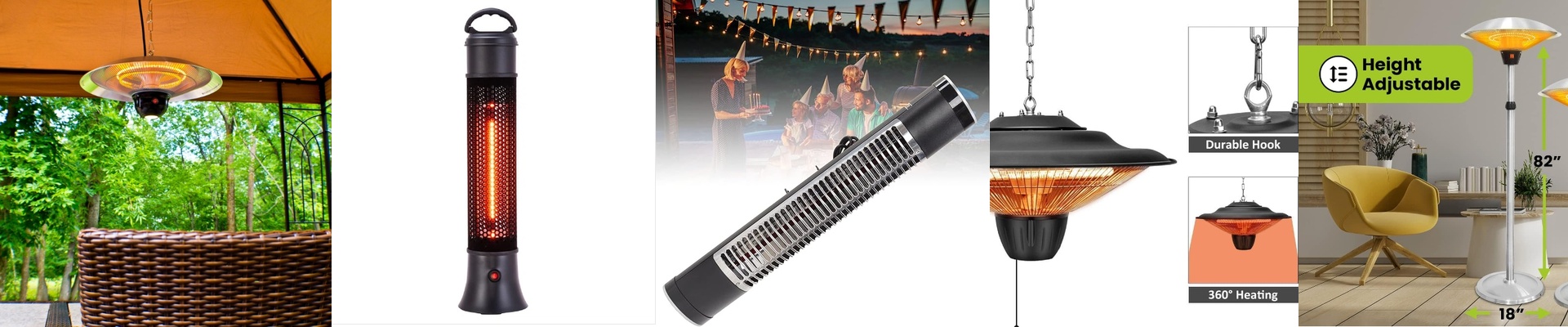
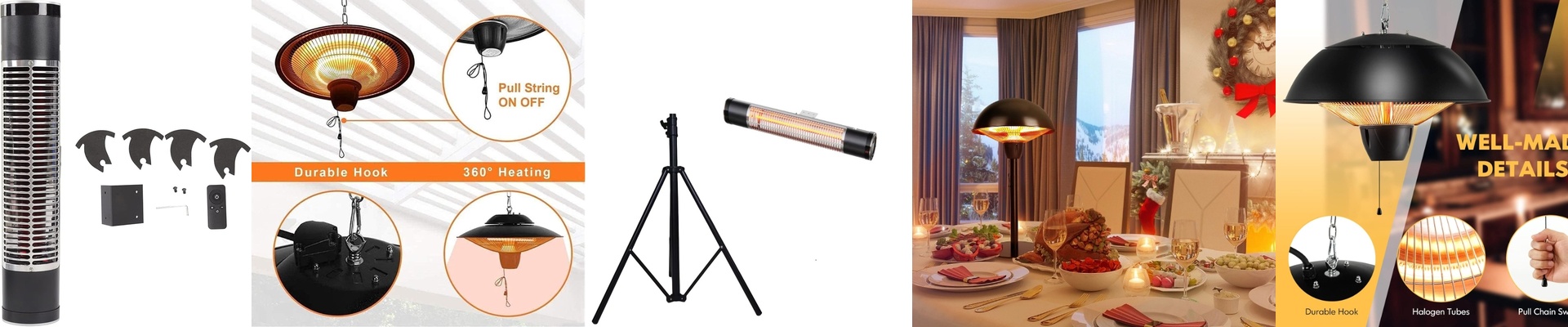
Let’s be honest: outdoor heaters have a rough life. They deal with freezing rain, humidity, and wild temperature swings. Eventually, the heating element just gives out. Usually, that’s where the nightmare starts. Most waterproof heaters are sealed so tight to keep the rain out that the heating tube is basically permanent. When it pops five years down the road, you’re stuck. You either spend half a day fighting with wires in a sealed box or you just throw the whole expensive chassis in the trash. That felt wrong to us. So we changed how they’re built. The “Slide-Out” Approach We decided to separate the waterproof shell from the infrared module itself. Think of it like a cartridge. If a tube dies, you don’t have to tear the whole unit apart or break the weather seal. You just slide the old module out and drop a new one in. It takes minutes, not hours. And because you aren’t messing with the main housing, the unit stays waterproof. Simple. Dealing with the Wear and Tear We use shortwave infrared tubes because they’re great at pushing heat through the wind. But there’s a catch: they run incredibly hot. That kind of thermal stress means the filaments will eventually thin out and snap. It’s just physics. To make the fix painless, we used standardized, plug-and-play connectors. No soldering. No crimping wires in the cold. You just plug it in and you’re done. The Trade-off Now, this isn’t magic—it requires some precision. If the module isn’t sitting exactly right, the reflector won’t focus the heat, and you’ll feel the difference. To stop that from happening, we added locking brackets. They snap the module into place so the heat goes exactly where it’s supposed to. What this actually means for you If you’re managing a dozen or more of these units across a property, this is a huge win. You don’t need a warehouse full of spare heaters. Just keep a few spare modules on a shelf. Swap the tube, flick the switch to make sure it’s working, and you’re back in business. It turns a frustrating repair job into a quick part swap.