Why Your Infrared Heaters Keep Popping (And How to Fix It)
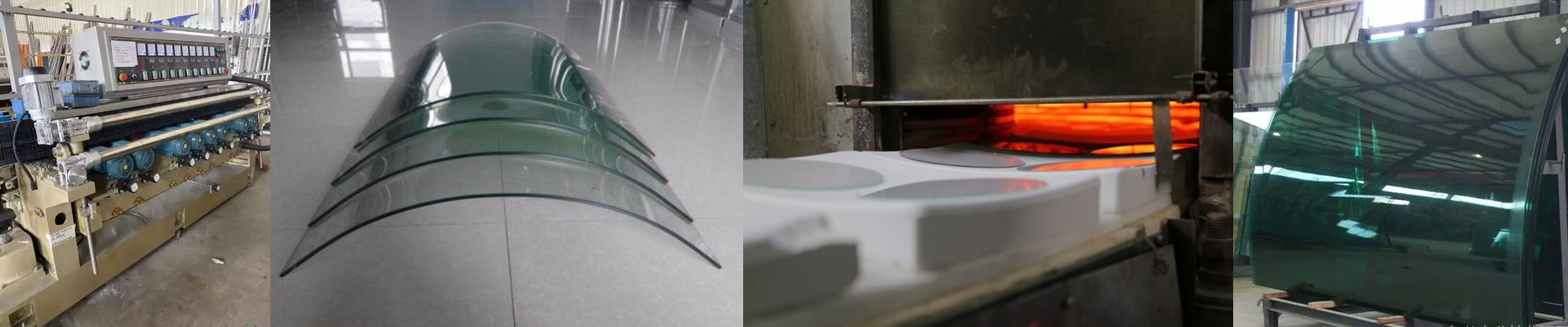
If you’ve ever put infrared heaters in a pergola or a bathroom, you know the struggle. You’re dealing with steam, splashes, and high humidity. Most standard quartz lamps just can’t handle it. Here is the nightmare scenario: your lamp is humming along at 500°C, a single cold drop of water hits the glass, and—snap. The whole thing shatters. It’s called thermal shock, and it’s a total pain. That’s why we use explosion-proof quartz tubing. Now, don’t let the name scare you. It’s not about resisting a bomb. It’s really just about handling those wild temperature swings. We use a special coating or reinforced blends that stop the glass from reacting so violently to the cold. Basically, if someone splashes the heater while it’s running full blast, it stays in one piece. But the glass is only half the battle. You also have to keep the water out of the guts of the machine. We use high-temp silicone gaskets and IP-rated housings to protect the electrical terminals. But here’s a pro tip: check your wiring. High-wattage shortwave lamps pull a lot of power. If your wire gauge is too thin, you’ll get voltage drops, and your lamps will burn out way faster than they should. Installing these is pretty straightforward. They’re designed to be drop-in replacements for your standard arrays. Just make sure you wire them into a GFCI-protected circuit. Since you’re working in a wet zone, you want that safety net for any ground faults. One last thing. Even though the tube is tough, the housing still needs to breathe. If you seal the unit up too tight just to make it “waterproof,” you’ll end up cooking your own internal wiring. Give it some air. And please, keep the reflectors clean. Hard water leaves mineral deposits that act like a wall, killing your heat throw and making the heater feel weak. A quick wipe-down goes a long way.