
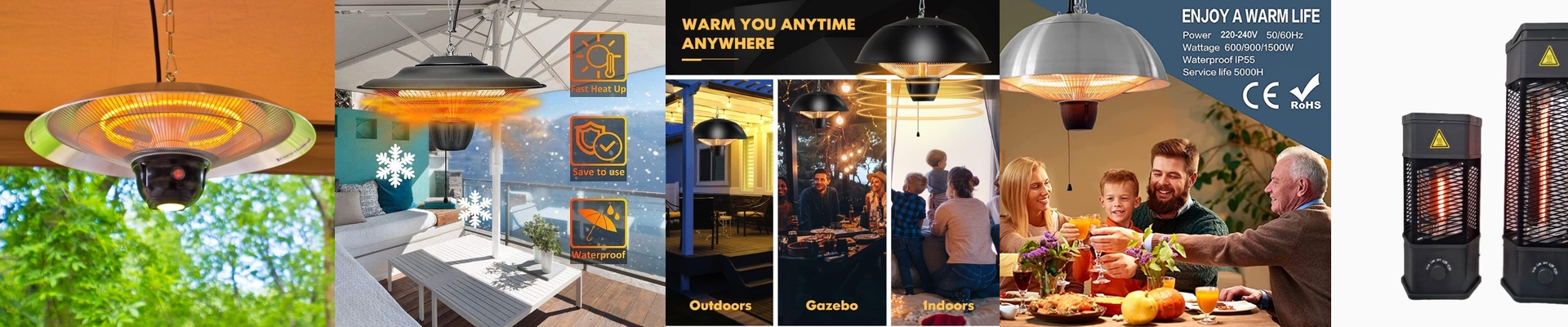
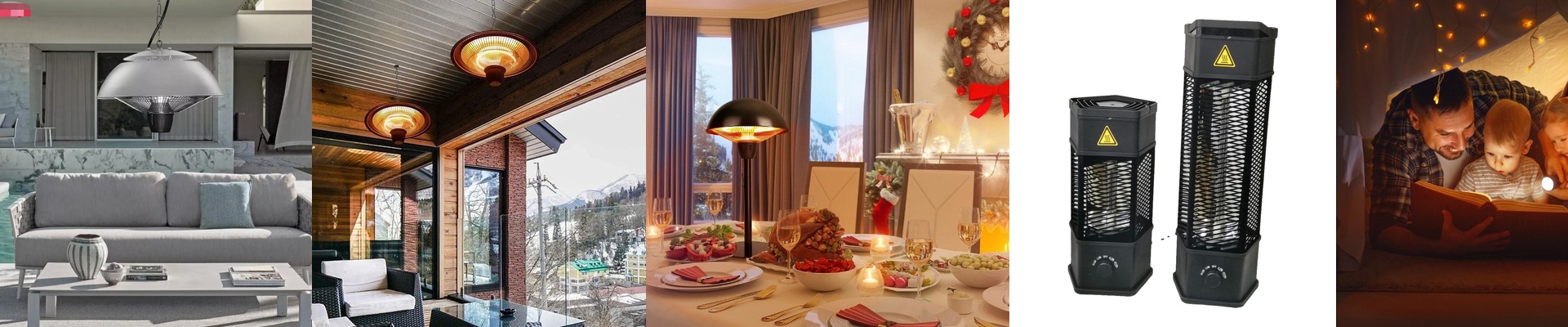
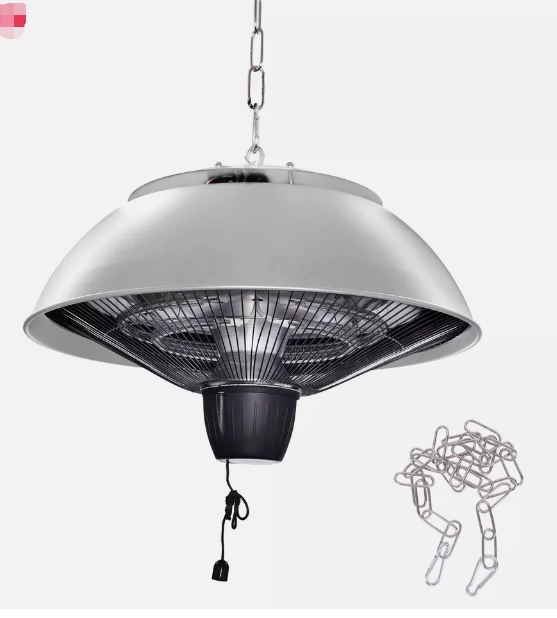
Getting Your Bathroom Heat Just Right
Here’s the thing about infrared heaters: bigger isn’t always better. You don’t want to just grab the most powerful unit on the shelf and hope for the best. It’s more about finding the right balance for the size of your room. And since we’re talking about bathrooms, you’ve got to keep water in mind. Look for anIP55 rating. It’s basically a fancy way of saying the unit can handle dust and those accidental splashes of water without giving up the ghost.
How much power do you actually need?
It mostly comes down to how much space you’re trying to warm up. If you’ve got a tiny powder room (under 4m²), a small 400W to 600W unit is usually plenty to keep things cozy. For those medium-sized bathrooms (between 4m² and 8m²), you’re looking at something in the 800W to 1200W range. Now, if you have a massive master bath over 10m², you might need a 1500W beast—or better yet, a couple of smaller units spread out. That way, you don’t end up with one scorching corner and a freezing cold shower. The cool part? Shortwave infrared doesn’t waste time heating the air. It hits you and your skin directly. You feel that warmth the second you step in, even if there’s a draft in the room.
The trap of “too much power”
It’s tempting to go for the highest wattage because it warms up faster. But there’s a catch. Imagine putting a 1500W lamp in a tiny 3m² closet. It’ll overheat in seconds. Your thermostat will be clicking on and off constantly, which is a great way to kill the lamp’s lifespan and run up your electric bill. Also, do your homework on your wiring. These units pull a lot of current. If you’re putting a few of them on one circuit, make sure your breakers can take the hit, or you’ll be spending your morning resetting the power box.
A few tips for the best setup
Put your heater on the ceiling or high up on the wall. Infrared waves move in straight lines. If you mount it too low, you’re just heating up your floor tiles or your towels instead of yourself. One last thing: keep the lens clean. When dust builds up, the heat can’t get through as easily. Worse, that trapped heat can actually cause the glass to crack. A quick wipe-down every now and then saves you a lot of headache.