Stop Letting Out-of-Stock Parts Kill Your Production
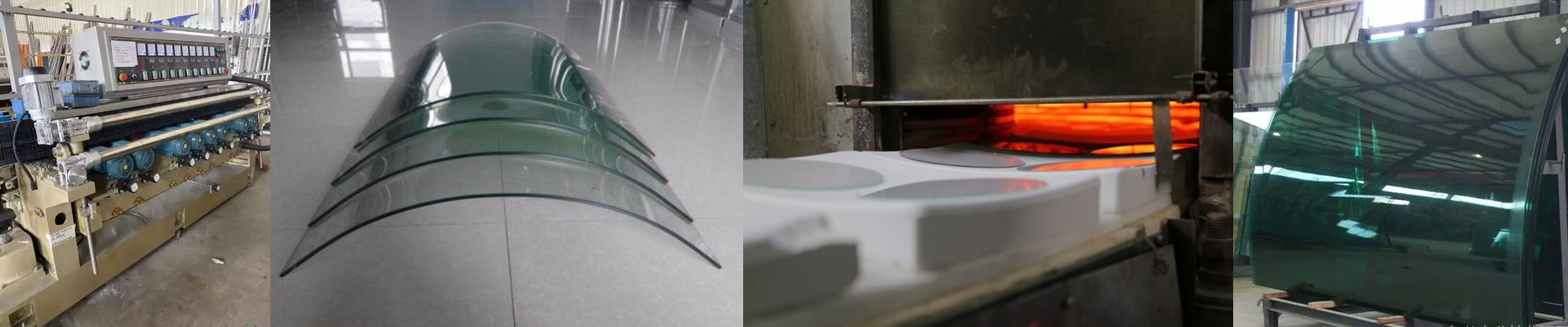
There is nothing worse than a glass production line grinding to a halt because some OEM spare part is suddenly “out of stock.” It’s frustrating. It’s expensive. And it usually feels like you’re just waiting on a corporate shipping department that doesn’t care about your deadline. We do things differently. We can get your custom infrared heating lamps built and back in your machines within 7 days. We aren’t talking about “close enough” parts. We’re talking about lamps that fit your machine’s electrical and physical footprint exactly, so you can stop stressing about downtime and get back to work. Getting the heat right The first thing we look at is your thermal load. If you’re running a massive operation, you might need a high-voltage 400V array to move enough heat. For others, a standard 230V setup is plenty. But here’s the trick: it’s all about the wattage per millimeter. That’s what controls how fast you ramp up. If you go for a high-wattage tube, you get intense heat density—just make sure your wiring and transformers can actually handle it. Nobody wants to deal with overheating wires on top of a broken lamp. The nitty-gritty: Quartz and Connections We use high-purity quartz glass because it doesn’t freak out when the temperature swings wildly. Depending on what you’re heating, we can add specific coatings. Some of these push the heat deep into the material, while others just hit the surface. Then there’s the fit. We use R7s or Sk15 connectors so the lamps just drop right into your existing sockets. If a lamp sits loose, you get arcing. And arcing leads to a burnout. It’s that simple. The reality of a one-week turnaround To move this fast, we need the real numbers: exact length, voltage, and wattage. I’ll be honest with you—don’t try to “overclock” a short tube by cranking the wattage just because another heater is failing. You’ll put too much stress on the quartz envelope. We balance the heat flux so the filament doesn’t snap when you’re cycling the power rapidly. We build these things to take a beating in a loud, dirty industrial environment. Just… please make sure your cooling fans are actually running.