Getting the Balance Right: Sharp Prints and Strong Glass
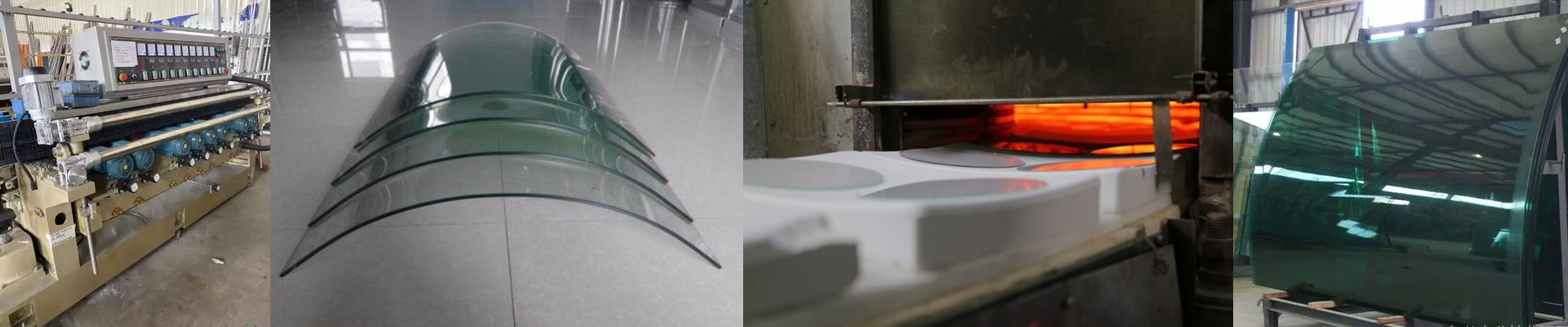
When you’re screen printing on glass and moving straight into tempering, it feels like a constant tug-of-war. If you ramp up the heat too slowly, your ink starts to bleed. You lose those crisp lines and the whole pattern looks muddy. But if you crank it up too fast? You’re looking at thermal shock or weird stress points across the pane. It’s a headache. To fix this, we started using gold reflector plates in our IR furnaces.
Why gold?
Most people use standard aluminum reflectors, but those are kind of leaky. They absorb and scatter way too much energy. Gold is different. It bounces about 98% of that infrared radiation straight back at the glass. It basically concentrates the heat exactly where it needs to be. Because the energy is being recycled so efficiently, you don’t have to pull as much power to hit your tempering point.
Keeping the lines sharp
The secret to a clean pattern is all about how the heat hits the surface. With gold reflectors, the heat hits the glass uniformly and head-on. No more “cold spots” that mess up the tempering process. Because the heat is so focused, the ink cures almost instantly. It locks in place before it has a chance to migrate or smudge. The result? Your edges stay sharp. The glass hits its softening point faster, which means you can quench it quicker. That speed is the magic trick—it keeps the glass tough without ruining the look of the print.
A quick word of caution
Now, there is a catch. Gold plates create an intense amount of heat density. If your ventilation is lazy, your furnace housing is going to take a beating. You can’t just slide these into a low-airflow oven and hope for the best. If you don’t manage the air around those lamps, you’ll end up warping your supports or frying your wiring. Before you make the switch, do yourself a favor: check your cooling fans and make sure your cable insulation can actually handle the heat. It’s a small check that saves you from a very expensive meltdown.