


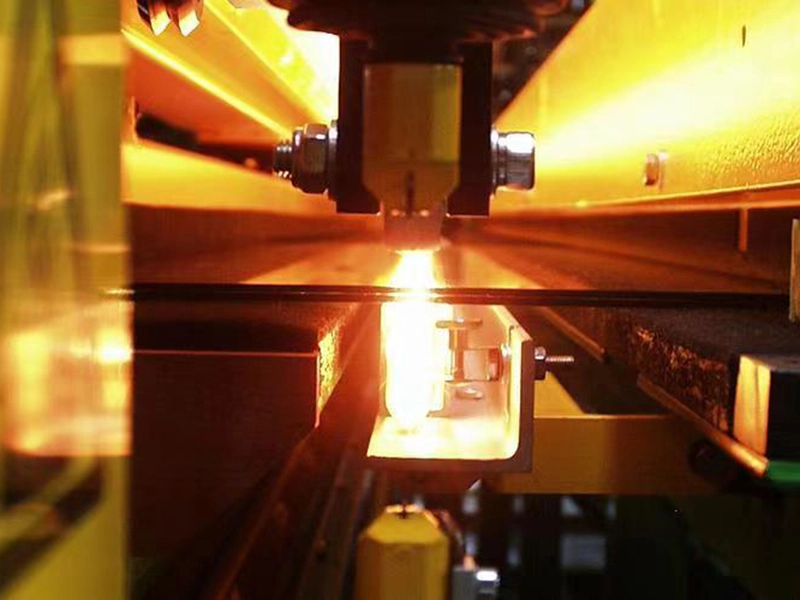
Cutting ultra-thick glass is basically a fight. You’re fighting the hardness of the material and all that built-up internal tension. If you try to score a thick slab cold, your cutting wheel just takes a beating. The blade dulls fast, and the cracks don’t go where they’re supposed to. It’s frustrating. We found a better way. Instead of forcing it, we use infrared (IR) preheaters to soften the path before the wheel even touches the glass. Getting the heat where it matters Most heaters just warm up the surface, which doesn’t do much for a thick piece of glass. We use shortwave IR radiation because it actually sinks deep into the glass instead of just bouncing off. By hitting the cutting line directly, we make the glass a bit more “givey.” It’s not melting, but it’s ductile enough that the cutting wheel doesn’t have to fight so hard. Saving your tools We use high-wattage quartz lamps to dump concentrated energy exactly where the score happens. When the glass is softened like this, the wheel just glides. You get a much cleaner break, and your tools actually last. You aren’t chewing through blades every few hours because you’re no longer fighting the full, stubborn hardness of cold glass. The tricky part Now, this isn’t something you just plug in and walk away from. These lamps put out a massive amount of heat. If your conveyor is moving too slowly or the lamps are slightly out of place, you can actually trigger thermal shock. That’s the worst—you’ll crack the whole plate before you even start the cut. You have to find that sweet spot between the lamp wattage and how fast the glass is moving. Plus, you can’t ignore the cooling system. If you don’t manage the heat soak around the housing, you’re looking at fried wiring.