Stop Fighting Your Glass: A Better Way to Handle Thermal Stress
If you’ve ever had a piece of glass crack right as you’re cutting it, you know the frustration. Usually, it’s because the heat isn’t hitting the glass the way it should. Most people just throw a standard IR lamp at the problem, but here’s the thing: those generic lamps waste a ton of energy. They’re blasting wavelengths that your glass simply doesn’t want.
It’s all about the “sweet spot”
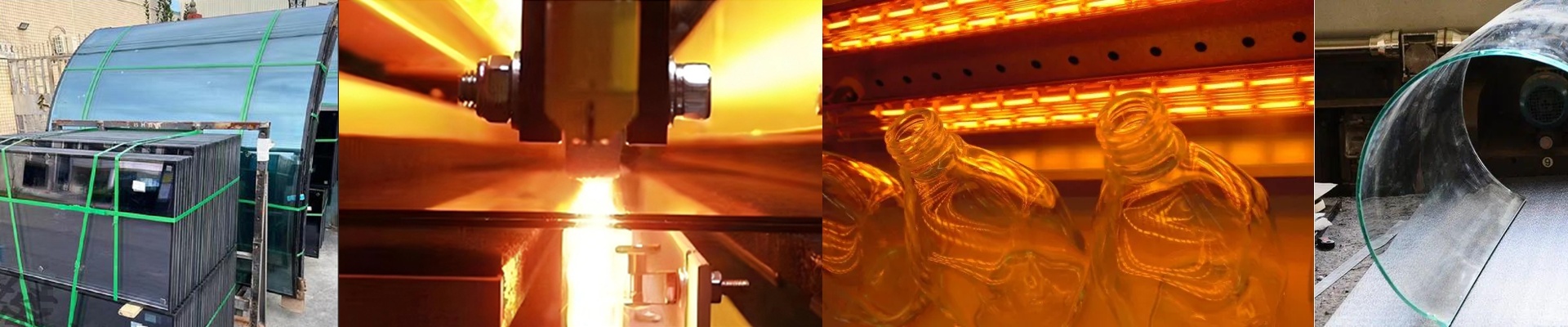
Glass isn’t just glass. Depending on what’s mixed in—like iron oxides or other dopants—your material only “drinks” heat at very specific wavelengths. When you use a basic lamp, most of that energy just bounces off the surface or sinks too deep. That’s how you get those uneven hot spots that lead to cracks. We fix this by tweaking the lamp’s filament and the quartz envelope. We basically shift the light to match the chemistry of your specific glass. It’s like tuning a radio to the exact right station so the signal is crystal clear.
The give and take
Now, you can’t just turn one knob and get everything perfect. There are some trade-offs. If we push for shorter wavelengths, you get a much faster heat-up time. But that puts more stress on the quartz tube. You also have to make sure your power supply can handle the voltage that a custom filament needs. And if we make the spectral band really narrow to get that precision, you might lose some total wattage. No big deal, though. We just make the lamps longer or add a few more to your array to keep your production moving at the same speed.
Making it work on your floor
The best part? You don’t have to rebuild your entire line. These lamps have the same footprint as the industrial heaters you’re already using. They just slide right into your existing jigs. Because the glass is actually absorbing the energy instead of fighting it, you don’t have to blast the whole room with heat. Your cooling fans don’t have to work nearly as hard, and you won’t have to worry about your machine frame warping over time. It just runs cooler, smoother, and a lot more predictably.