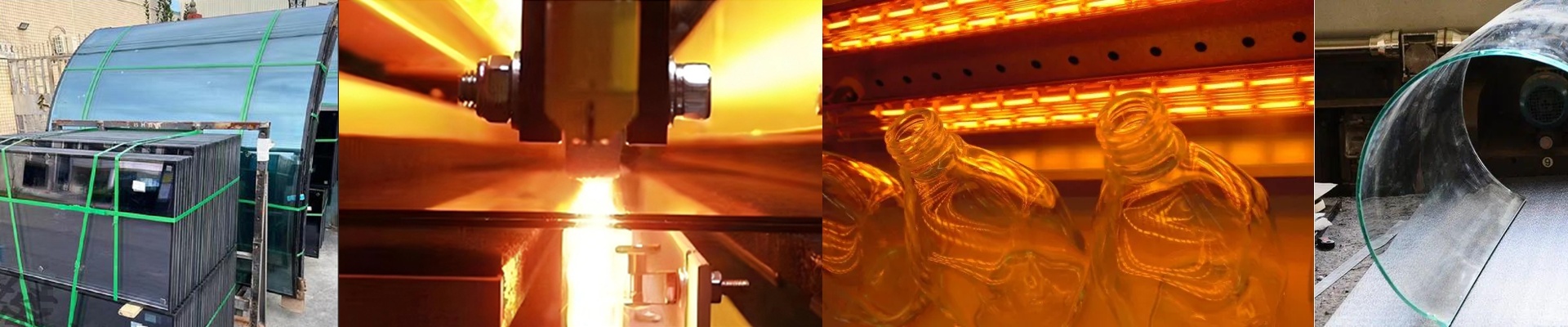
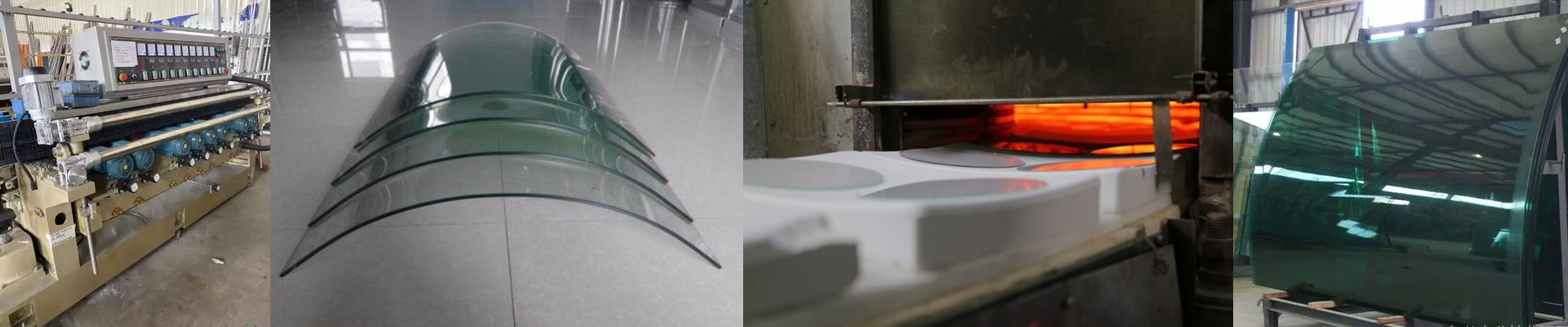
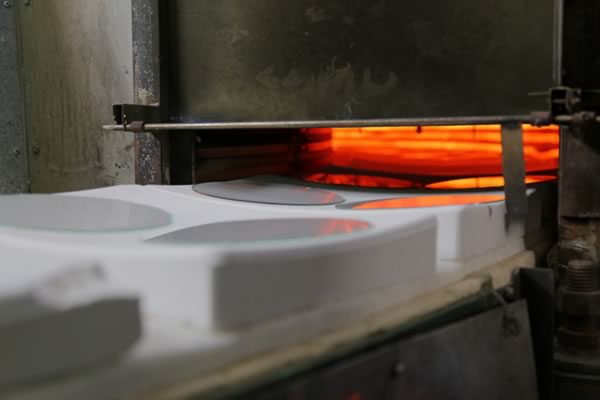
On the insulating glass line, that sealant heater isn’t an add-on. It’s the temperature gatekeeper. Give the hot melt adhesive uneven heat, and you’ll pay for it—voids, weak adhesion, and callbacks. Let the heater lag, and the whole line slows while the schedule slips. We built the greenhouse glass sealant heater to keep the process stable, repeatable, and under control. What matters under the hood The unit runs on short-wave infrared elements in a quartz envelope, so it responds fast and holds tight thermal control. Power is matched to line speed, typically 1.2–2.4 kW per meter, with 230/400 V options and IP54 protection for dusty glass plants. The heated zone is laid out to give a uniform thermal field, so the sealant cures evenly across the whole bead—no hot spots that can drive thermal stress into the glass edge. Response time is in seconds, so you can pull heat the instant the conveyor stops, then snap back to full output when the cycle restarts. Here’s why it has to work this way in greenhouse glass: the sealant heater has to run with the same discipline as annealing, tempering, and bending. Keep temperature consistent, and the sealant viscosity stays in the right window. That cuts rejects from poor bead formation and weak corner bonds. It also helps the glass edge stay calm by avoiding rapid, uneven heating that creates thermal gradients. The payoff is a stronger, cleaner insulating glass seal, fewer reworks, and throughput you can count on. Energy use drops because the heater cycles on demand, not on a constant burn. A few practical notes. Mounting tolerances matter. The heater has to be square to the glass path; otherwise, you’ll see edge-to-edge temperature drift. Check clearances before installation—typical standoff is 30–50 mm—and make sure the connector and control interface match your existing PLC or temperature controller. Keep reflectors clean and inspect element integrity on schedule. In high-humidity greenhouses, condensation can reach terminal boxes; a sealed enclosure and routine checks keep the line running and prevent downtime.
অ্যানসুলেটিং গ্লাস লাইনটিতে, সিলান্ট হিটার কোনো অতিরিক্ত সংযোজন নয়। এটি তাপমাত্রার গেটকিপার। হট মেল্ট আঠার ওপর অসম তাপ দিলে তার দাম দিতে হবে—ফাঁক, দুর্বল বাধন, এবং পুনরায় কাজের প্রয়োজন। হিটার ধীরগতি হলে পুরো লাইন ধীরে চলে এবং সময়সূচি পিছিয়ে যায়। আমরা গ্রিনহাউস গ্লাস সিলান্ট হিটারটি প্রক্রিয়াটিকে স্থিতিশীল, পুনরাবৃত্তিযোগ্য এবং নিয়ন্ত্রণাধীন রাখার জন্য ডিজাইন করেছি।
ইঞ্জিনের নিচে যা গুরুত্বপূর্ণ
যন্ত্রটি শর্ট-ওয়েভ ইনফ্রারেড উপাদান ব্যবহার করে যা একটি কুয়ার্টজ এনভেলপে আবৃত, ফলে এটি দ্রুত সাড়া দেয় এবং কঠোর তাপ নিয়ন্ত্রণ ধরে রাখে। পাওয়ার লাইন স্পিড অনুসারে মিলানো হয়, সাধারণত প্রতি মিটার 1.2–2.4 কিলোওয়াট, 230/400 V অপশন সহ এবং ধূলিকণা প্রবণ গ্লাস প্ল্যান্টের জন্য IP54 সুরক্ষা দেয়। উত্তপ্ত অঞ্চলটি এমনভাবে সাজানো হয়েছে যাতে সমান তাপ ক্ষেত্র তৈরি হয়, ফলে সিলান্ট পুরো বিড জুড়ে সমানভাবে কিউর হয়—কোনও হটস্পট থাকে না যা গ্লাস এর সামনে তাপীয় চাপ সৃষ্টি করতে পারে। প্রতিক্রিয়া সময় কয়েক সেকেন্ডের মধ্যে, তাই কনভেয়র থামার সঙ্গে সঙ্গে আপনি তাপ সরিয়ে নিতে পারবেন, এবং সাইকেল শুরু হলে পূর্ণ আউটপুটে ফিরে আসবে।
গ্রিনহাউস গ্লাসে এটি এইভাবে কাজ করতে হবে কারণ: সিলান্ট হিটারকে annealing, tempering, এবং bending এর সমান নিয়মানুবর্তিতা বজায় রেখে চলতে হয়। তাপমাত্রা সুষম রাখা জরুরি, যাতে সিলান্টের ভিসকোসিটি সঠিক অবস্থানে থাকে। এতে কমে যায় খারাপ বিড গঠনের কারণে ত্রুটি এবং দুর্বল কর্নার বন্ধন। দ্রুত এবং অসম তাপ দেওয়ার ফলে সৃষ্ট তাপমাত্রার পার্থক্য থেকে গ্লাসের কিনারা শান্ত থাকে।
ফলাফল হিসেবে পাওয়া যায় একটি শক্তিশালী, পরিষ্কার ইনসুলেটিং গ্লাস সীল, কম পুনরায় কাজ এবং নির্ভরযোগ্য উৎপাদন ক্ষমতা। হিটার প্রয়োজন মোতাবেক চলার কারণে বিদ্যুৎ ব্যবহার কমে, নিয়মিত আলোর মতো নয়।
কিছু ব্যবহারিক পরামর্শ: মাউন্টিং টলারেন্স গুরুত্বপূর্ণ। হিটারটি গ্লাস পথের সাথে সমকোণ হওয়া উচিত; না হলে কিনারা থেকে কিনারা তাপমাত্রার পার্থক্য দেখা যাবে। ইনস্টলেশনের আগে ক্লিয়ারেন্স পরীক্ষা করুন—সাধারণত standoff 30–50 mm—এবং নিশ্চিত করুন যে সংযোগকারী এবং নিয়ন্ত্রণ ইন্টারফেস আপনার বিদ্যমান PLC বা তাপমাত্রা নিয়ন্ত্রণ যন্ত্রের সাথে সামঞ্জস্যপূর্ণ।
রিফ্লেক্টর পরিষ্কার রাখুন এবং নির্ধারিত সময়ে উপাদান পরীক্ষা করুন। উচ্চ আর্দ্রতার গ্রিনহাউসে, সংঘনন টার্মিনাল বক্সে পৌঁছাতে পারে; একটি সিলড এনক্লোজার এবং নিয়মিত পরিদর্শন লাইন চলমান রাখে এবং ডাউনটাইম রোধ করে।