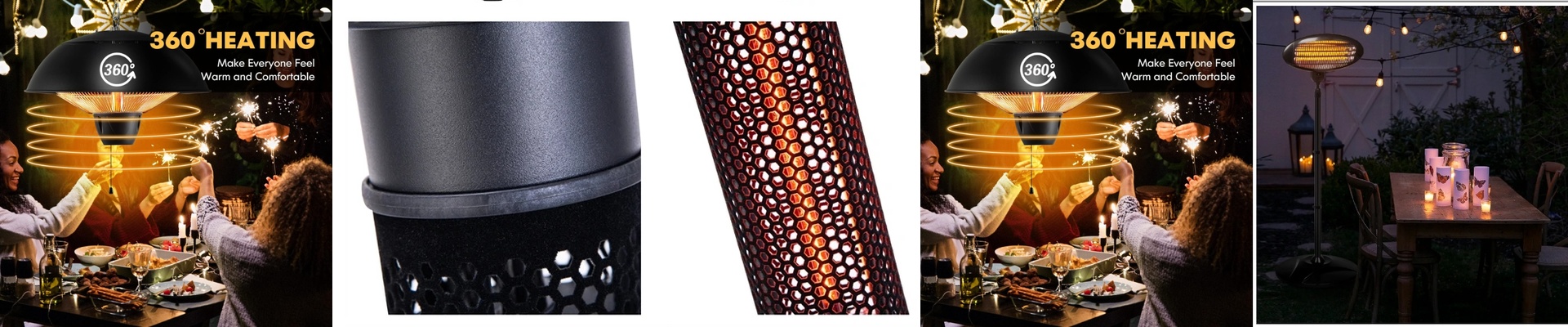
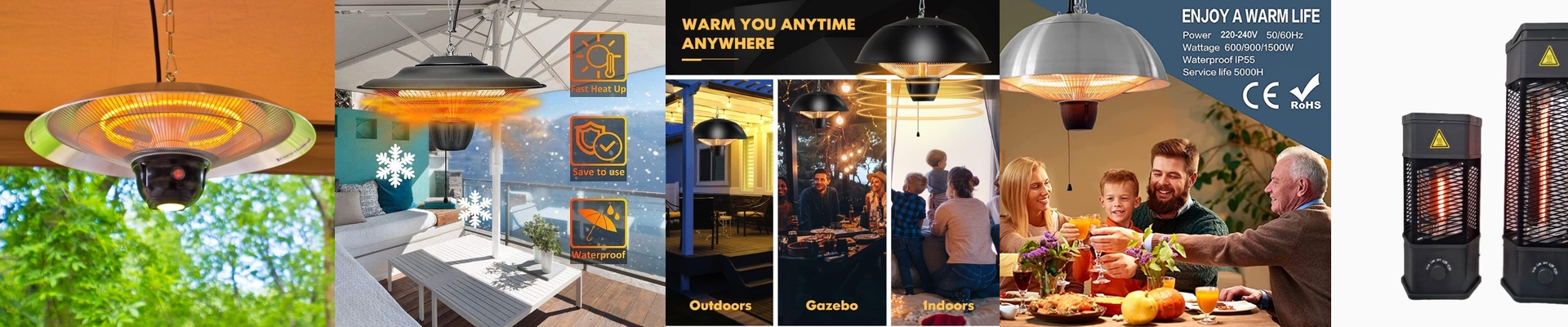
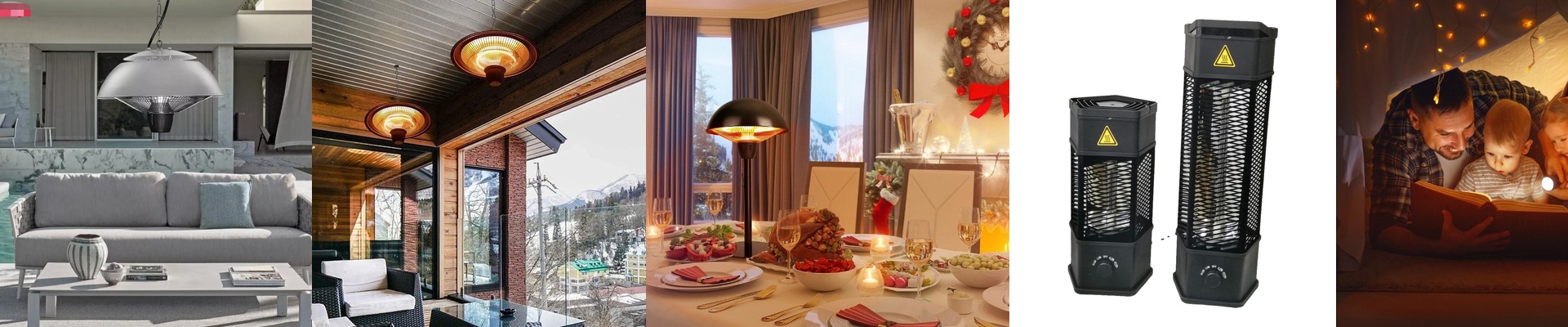

Outdoor seating and workshops run on warmth. When the air bites, guests and staff get stiff, and the pace drops. The problem isn’t just the number on the thermometer—it’s how the heat lands on skin. Many radiant heaters throw out a broad infrared beam that can feel prickly, dry, or too hot on the skin, even when the space still feels cold.
What actually matters under the hood
We built this commercial radiant heater around a high-purity infrared spectrum, tuned to deliver comfort without harsh spikes. The emitter is engineered for stable output and controlled surface temperature, so the warmth arrives evenly and predictably. The system responds fast. You feel heat within seconds of switching on, not minutes. In practice, that means less waiting, less draftiness, and a steady feel that doesn’t swing from scorching to chilly.
Why this works where people actually use it
In customer-facing areas and active workspaces, comfort is performance. With this heater, guests can sit longer without backing out of the beam, and teams can work without layering up. The focused radiant warmth hits people and objects directly, so you don’t have to fight the wind by trying to heat the air. The payoff is steadier occupancy, smoother service, and fewer interruptions.
The practical details you’ll thank yourself for later
Radiant heat is directional, so placement matters. Mount the unit so the beam covers the primary seating or work zone, and keep the reflectors clean to maintain even coverage. For best results, pair it with a thermostat or control so output stays matched to conditions. One more thing: to keep the spectrum consistent and protect the element, run the heater at the recommended voltage and keep it in weatherproof conditions—under an overhead or within an IP-rated enclosure for outdoor use.