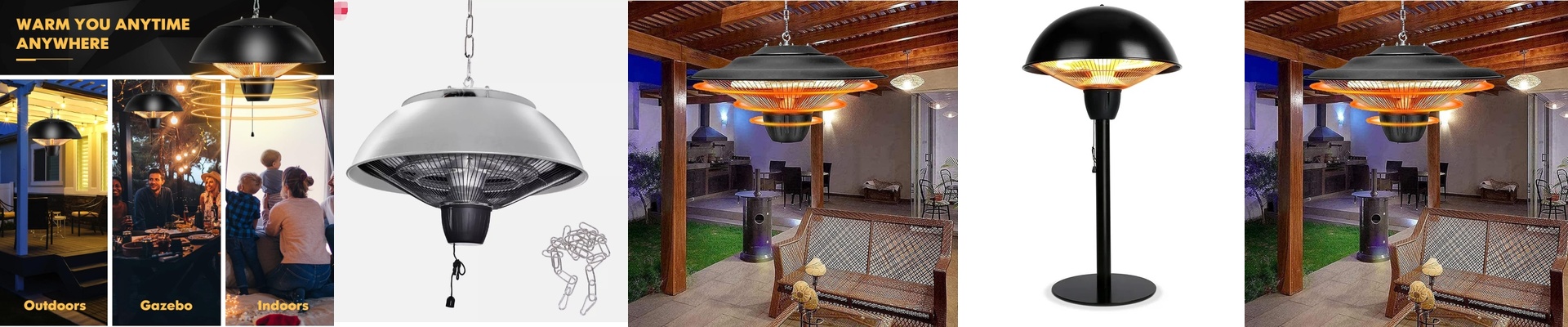
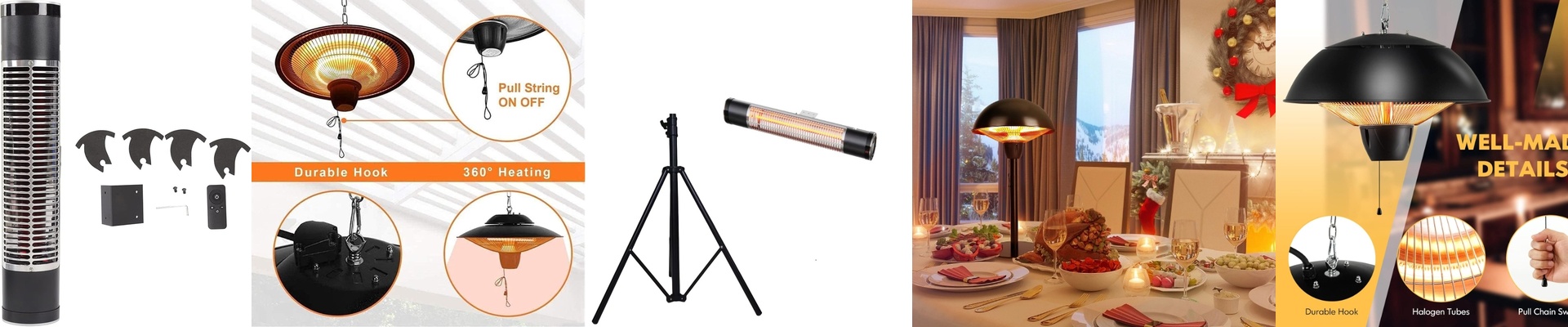
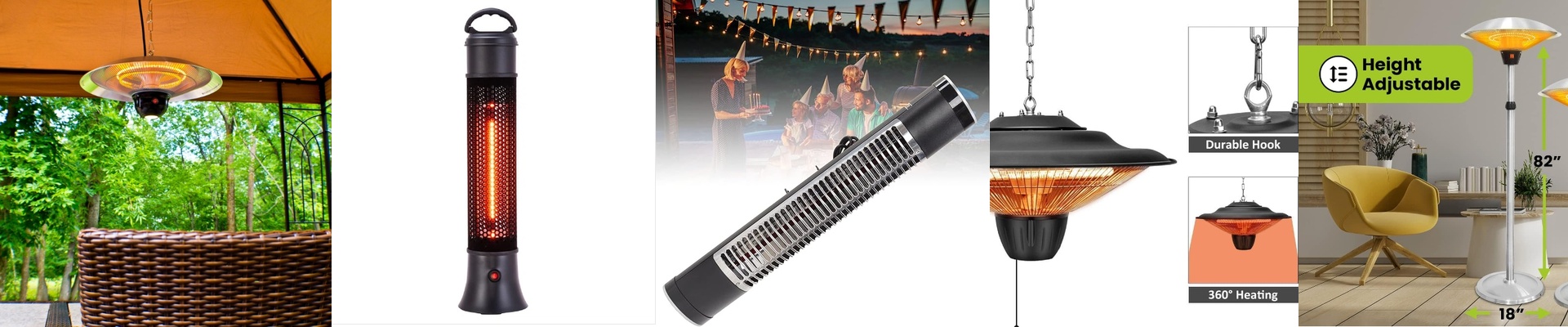

Walk into a bathroom remodel these days, and you see the same trend: the old bulb-style heater is on its way out. It leaves behind patchy heat, glare, and the nagging question of how it’ll handle moisture. We built a freestanding heater to match the upgrade—instant, directional warmth without the harsh light.
What matters under the hood
We run a quartz infrared element, the kind that heats people and surfaces directly, not the air. In a bathroom, that translates to feeling heat the moment it’s switched on, even when the room is cold and damp. The key spec here is the IP rating. Our freestanding units are engineered to IP44, so they’re protected against splashing water from any direction. The heating chamber is sealed, and the outer housing is shaped to shed condensation. A built-in thermostat keeps output steady, and tip-over protection shuts the unit off if it gets knocked over. Power draw is matched to typical bathroom circuits, so it runs off a standard outlet without tripping anything.
Why this approach fits bathrooms
Bathrooms are tough to heat well. Tile stays cold, mirrors fog, and drafts slip under doors. Infrared warms what you actually touch—skin, floors, towels—so the space feels comfortable faster. Because the element throws no glare and very little visible light, the room stays quiet and restful. For a renovation, a freestanding infrared heater gives you flexibility: place it where you need it, move it later, and still get dependable warmth. It also runs quieter than forced-air options and doesn’t blow dust around.
Practical notes
Placement matters. Keep the heater at least 0.5 meters from water sources, and never inside a shower enclosure. It needs a stable, level floor and a grounded outlet—extension cords aren’t a good idea in damp areas. The IP rating handles splashes, but it’s not submersible. For the best comfort, aim the heater toward the main use area—vanity or tub—so the radiant warmth lands where you need it.