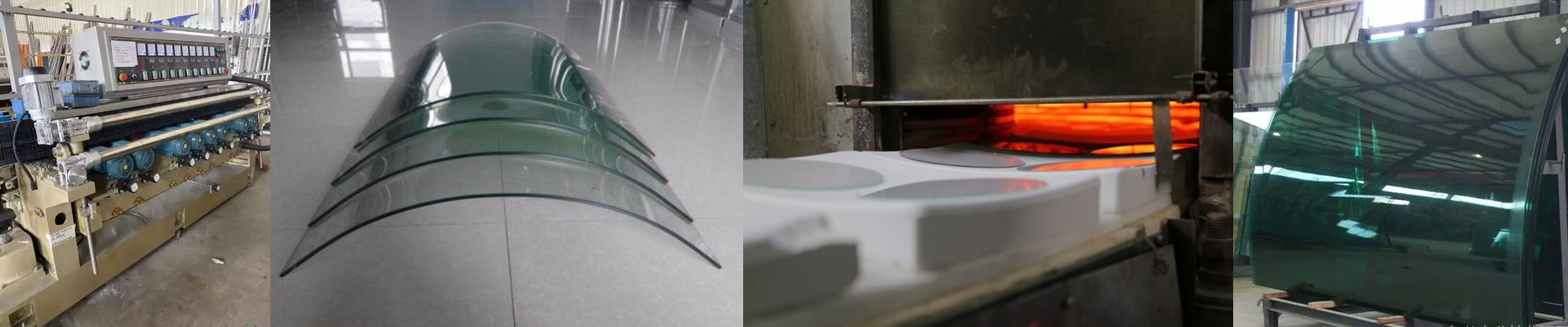
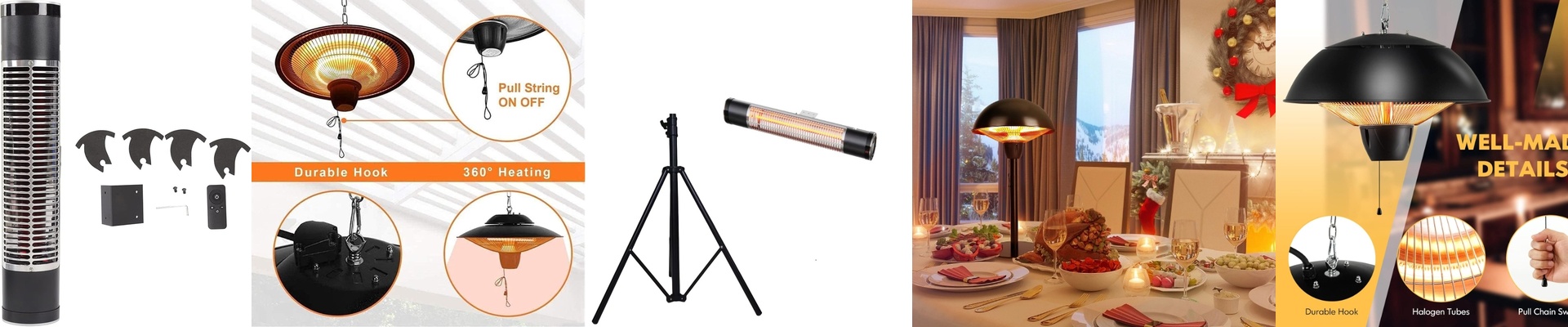
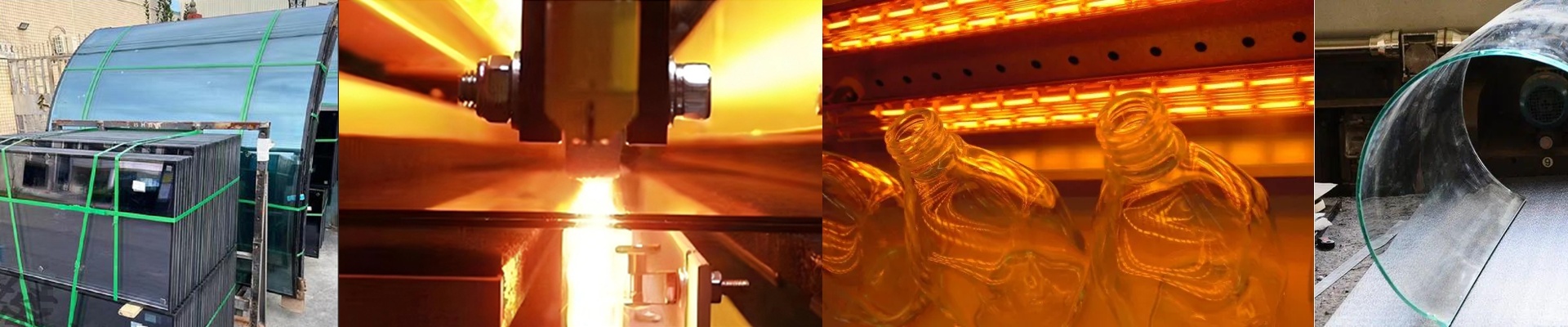
On the shop floor, the annealing lehr sets the pace. If the heating profile starts to drift, you’re staring down optical distortion, thermal stress cracks, and rework that chews straight through your margins. You need heat that’s consistent and repeatable—without blowing the budget. What matters, technically We built this glass annealing lamp around short-wave NIR quartz emitters. They respond fast and pack high power density into a compact footprint. Standard configurations run on 220–240 V, with power densities matched to typical float glass and coated glass lines. The emitters run hot and clean, with low convective loss, so the energy goes into the glass—not the surrounding air. We size the active length and watt density to match your belt width and line speed, so the thermal field stays even across the surface. Why it works where it matters In annealing, it’s all about the curve. Rapid, controlled heating shortens the overall cycle, while uniform temperature distribution cuts thermal stress and edge defects. The lamp starts up quickly, so changeovers stay short. Direct radiant coupling to the glass gives you repeatable results shift after shift. Energy use drops because you only heat when you need to, and the focused profile cuts parasitic losses. For float, coated, or laminated glass runs, that means fewer rejects, stable quality, and a lower operating cost per square meter. The details you’ll live with This is a high-intensity radiant lamp, so clearance and mounting tolerances matter. The emitter face runs hot—shielding, reflectors, and safe access are non-negotiable. Installation is straightforward on most annealing lehrs, but double-check voltage, connector type, and thermal clearance against your machine layout. Expect shorter lamp life at maximum power density compared with lower-output options—plan maintenance windows and keep spares on the shelf.